

Surviving the Winter with Raw Seafood
Surviving the Winter with Raw Seafood
Why oysters, raw fish and smoked delicacies feel so right when the days grow cold?
When temperatures drop, we instinctively reach for stews, roasts and molten desserts. And yet, every winter, plates of glistening oysters, silky slivers of smoked fish or tartare and delicate caviar take centre stage at Christmas and New Year’s tables across the world.
Well, it couldn’t be more perfect just because everything raw is better preserved in the cold, not to mention the contrast of the crisp air of early sunsets and indoors candlelight, chatter, and a platter of briny, ocean-fresh bites shared with pleasure.
Raw and smoked seafood have their own wintry indulgence. It’s light, refreshing yet deeply satisfying; and it always looks elegant on the plate. Those soft coral tones subtly echo the warmth of summer, like a small reminder of sun-drenched days, long gone. In the middle of the cold season, it can feel like our last delightful thread back to those lively, summery moments.
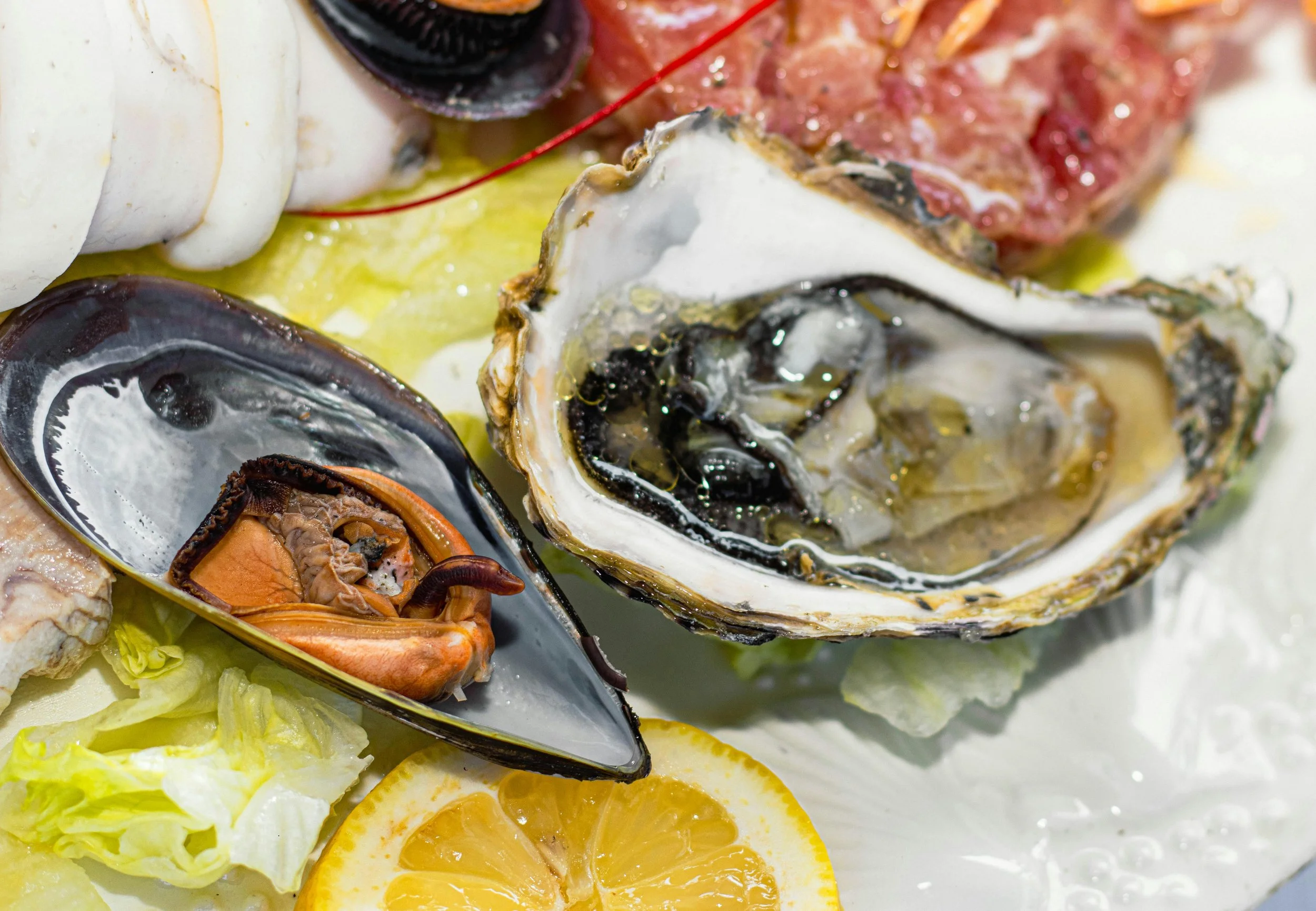
Why Fish Belongs to Christmas Eve
The habit of serving fish at Christmas, especially on Christmas Eve, goes back to old Catholic and Orthodox tradition of fasting and abstinence. For centuries, the Christian tradition imposed on the eve of major feasts a fast or vigil. That meant no meat from warm-blooded animals (seen as rich and festive), but fish is allowed – lighter, “leaner,” and therefore more appropriate for a day of preparation and penance. Also, many of Jesus’ first disciples were fishermen. The Gospels are full of fish stories (the loaves and fishes, the miraculous catch, “I will make you fishers of men”. So serving fish on sacred days sits very comfortably inside this symbolic world, even if most people today are enticed more about flavour than theology.
So Christmas Eve became, in many Catholic countries, a fish day by default. Over time, this practical rule slowly turned into a beloved tradition. So yes: that platter of fish at Christmas isn’t random at all it’s the deep seeded in Christian tradition that shaped entire national menus over the centuri
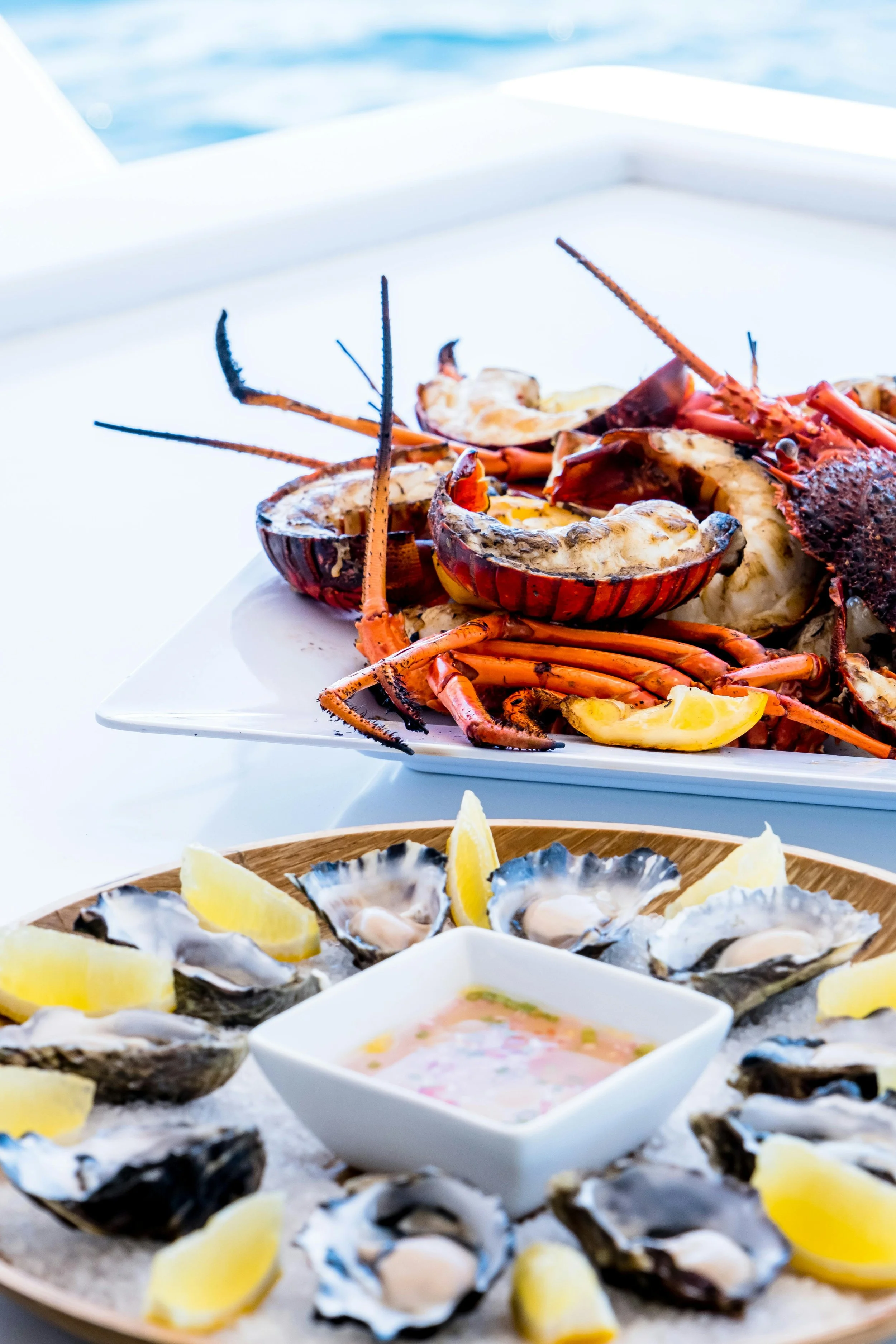
And What About New Year’s Eve?
By New Year’s Eve, the connection is less strictly Christian and much more about luck, abundance and the new beginnings. Across Europe and beyond, fish and seafood appear on New Year’s tables because of what it symbolises: abundance, Their scales shine like coins, so they’re linked to money and prosperity. The fish swim forward, which has become a metaphor for moving ahead into the new year. In parts of Northern and Central Europe, herring, carp or other fish are eaten at midnight specifically “for luck” and prosperity in the year to come.
So when people eat oysters or share smoked salmon on New Year’s Eve, they’re unknowingly tapping into a long, mixed tradition: a bit of Christian heritage, a bit of old European superstition about luck and abondance and a universal hope for plenty, prosperity and a fresh start.
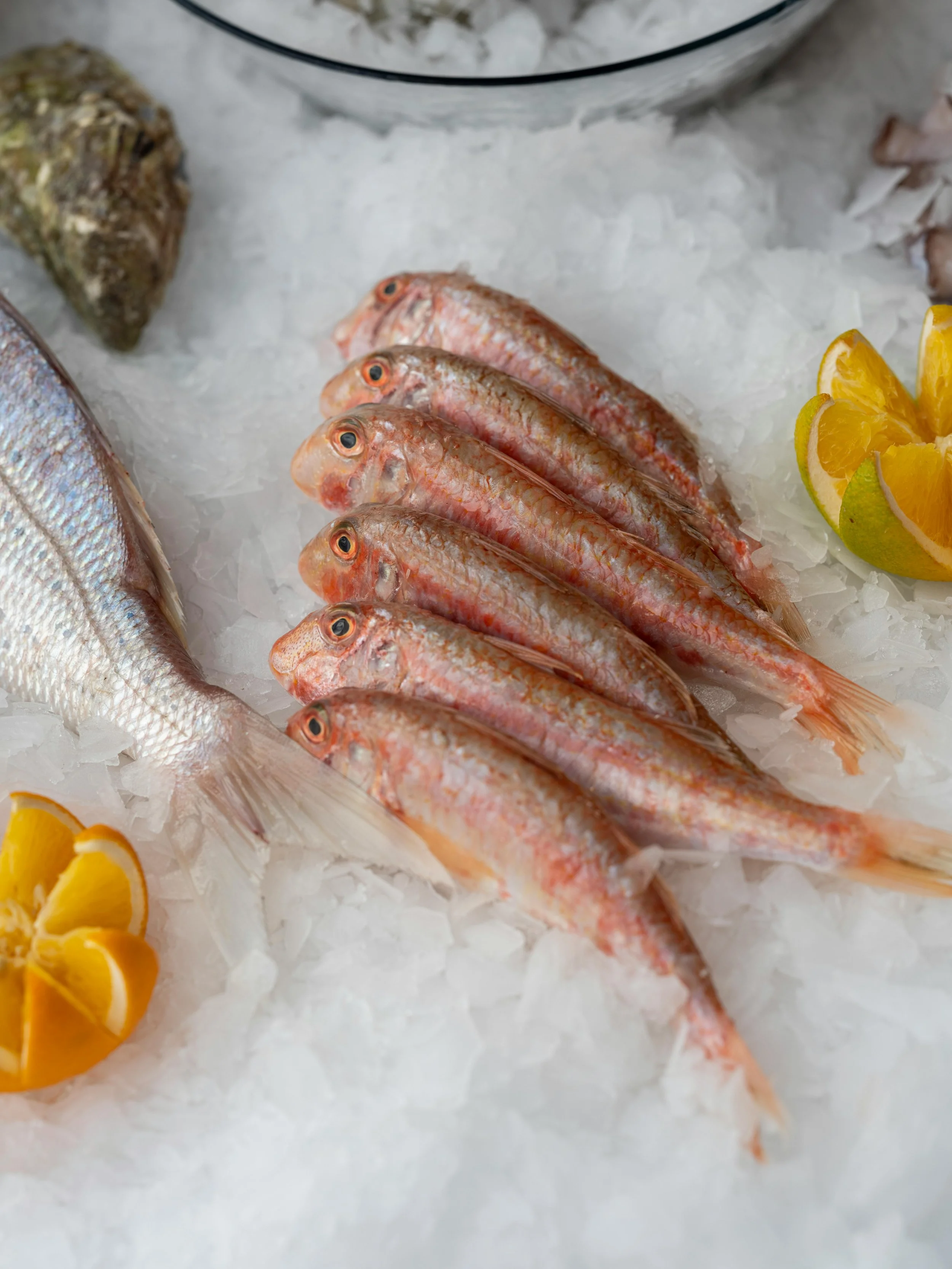
Nevertheless, winter celebrations aren’t only about abundance; they’re also about texture, freshness and moments of quiet refinement, and of course a delicate flavour that’s easy to pair with bread, butter, citrus, herbs and sparkling wine. Or champagne!
The Pleasure Is in the Details
Raw and smoked seafood doesn’t need elaborate recipes; it’s more about attention to detail and presentation, rather than elaborate recipes. Here are a few simple rules of thumb when serving raw and smoked fish and seafood:
❊ Temperature: Keep everything nicely chilled, especially oysters and sliced fish.
❊ Acidity: Lemon wedges, a splash of vinegar, capers or pickled onions add a touch of crispness to every bite.
❊ Texture: Pair softness with crunch - think butter on toasted bread or rye, crackers, finely sliced radishes or fennel. My favourite rule is chives on every dish!
❊ Presentation: For oysters and other shells, large platter, some crushed ice, a scattering of herbs or lemon slices and suddenly it looks like a restaurant-worthy spread.
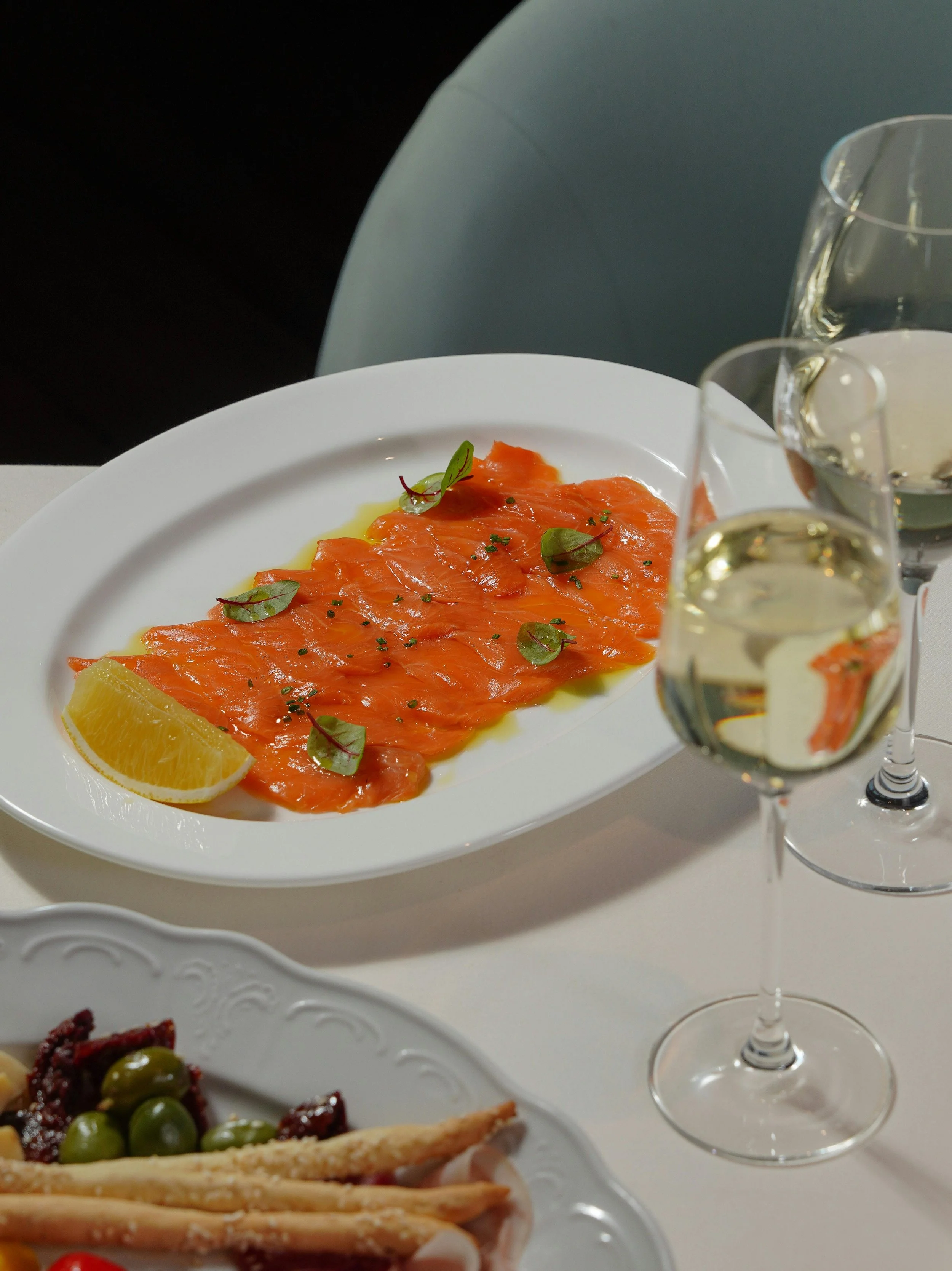
Because these foods are naturally so flavourful, you can keep everything else minimal. Raw seafood and fish might not be “comfort food” in the classic, stew-by-the-fire sense. But they offer another kind of comfort: the comfort of ritual, of shared plates, of small luxuries that make certain days feel different from all the others.
Oysters, raw fish and smoked delicacies on the tables during the festive winter season have become symbols of celebration - a reminder that even in the darkest months of the year, there is brightness, freshness and joy to be found, albeit in our plates.