

Tapas - The Joy of Sharing
Tapas aren’t just little plates of food – they’re a whole way of socialising, sharing and enjoying life with others. let’s explore how tapas culture began and the all-time favourites you’ll see in bars from Madrid to Málaga and discover some fun facts about this new way of eating.
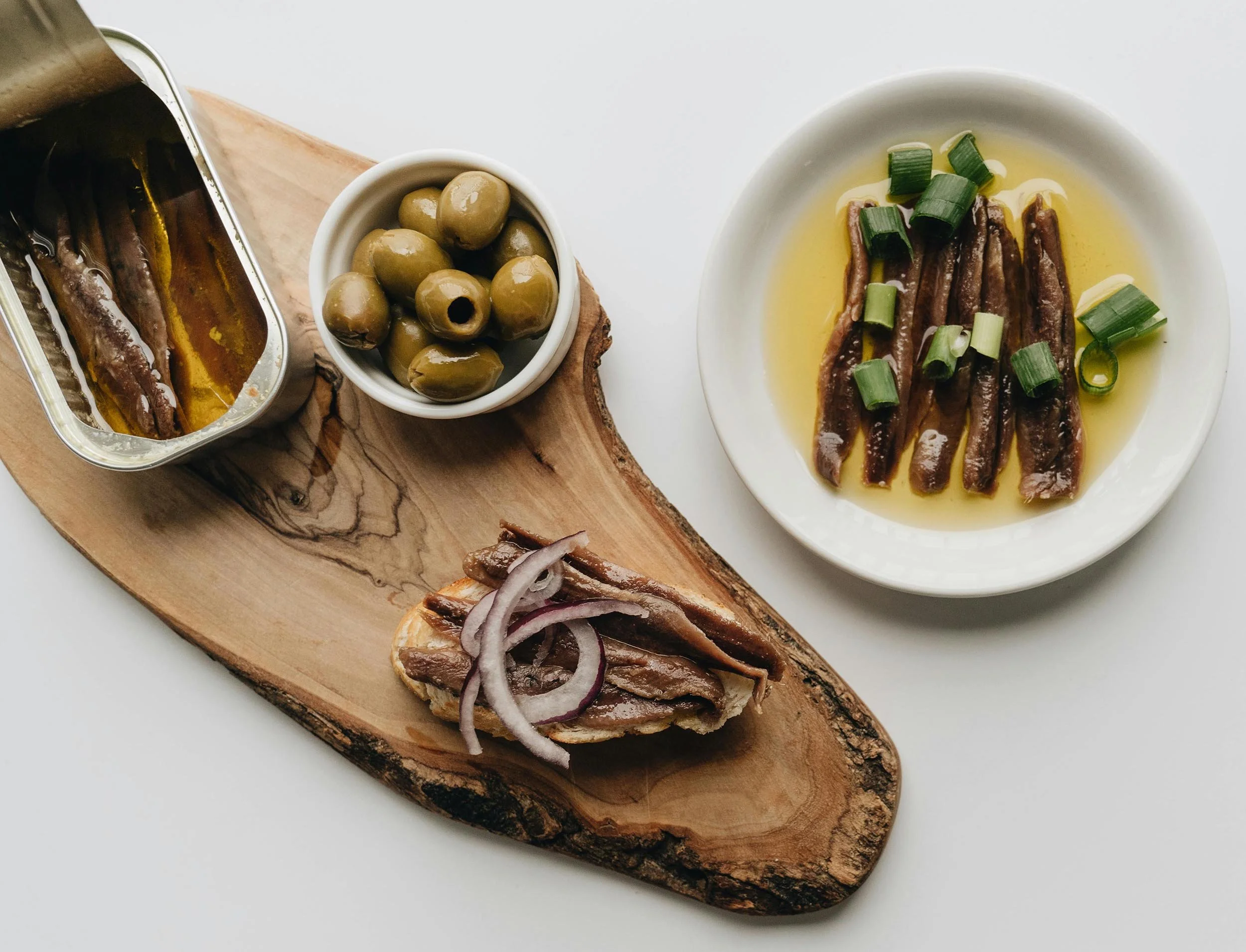
A Short History of Tapas
You may have wondered where the word tapa comes from? It literally means “lid” or “cover” in Spanish. There are a few fun origin stories:
✥ Bartenders used to place a slice of bread or ham over a glass of wine to keep flies and dust out. Eventually, that little “cover” was served deliberately with the drink.
✥ Another story says a Spanish king (often Alfonso X or Alfonso XIII, depending on who’ you ask) ordered taverns to serve a small bite with alcohol to stop people from getting too drunk too fast.
✥ Farm workers were often given small, salty snacks with wine or sherry to keep them going through the day. Whatever the exact truth, those little “covers” grew into a full-blown food tradition.
From Free Nibble to Food Culture
Originally, tapas were simple: olives, nuts, a slice of cheese or cured meat. Over time, bars started competing with one another by making more interesting tapas and suddenly regional specialities were added to the menu - seafood on the coast, stews and sausages inland. Thus, tapas evolved from a nibble with a drink to a whole way of eating by sharing many small dishes.
Today, tapas can be anything from a piece of tortilla on a cocktail stick to elaborate chef’s creations, but the spirit is the same: lots of little bites, shared with others.
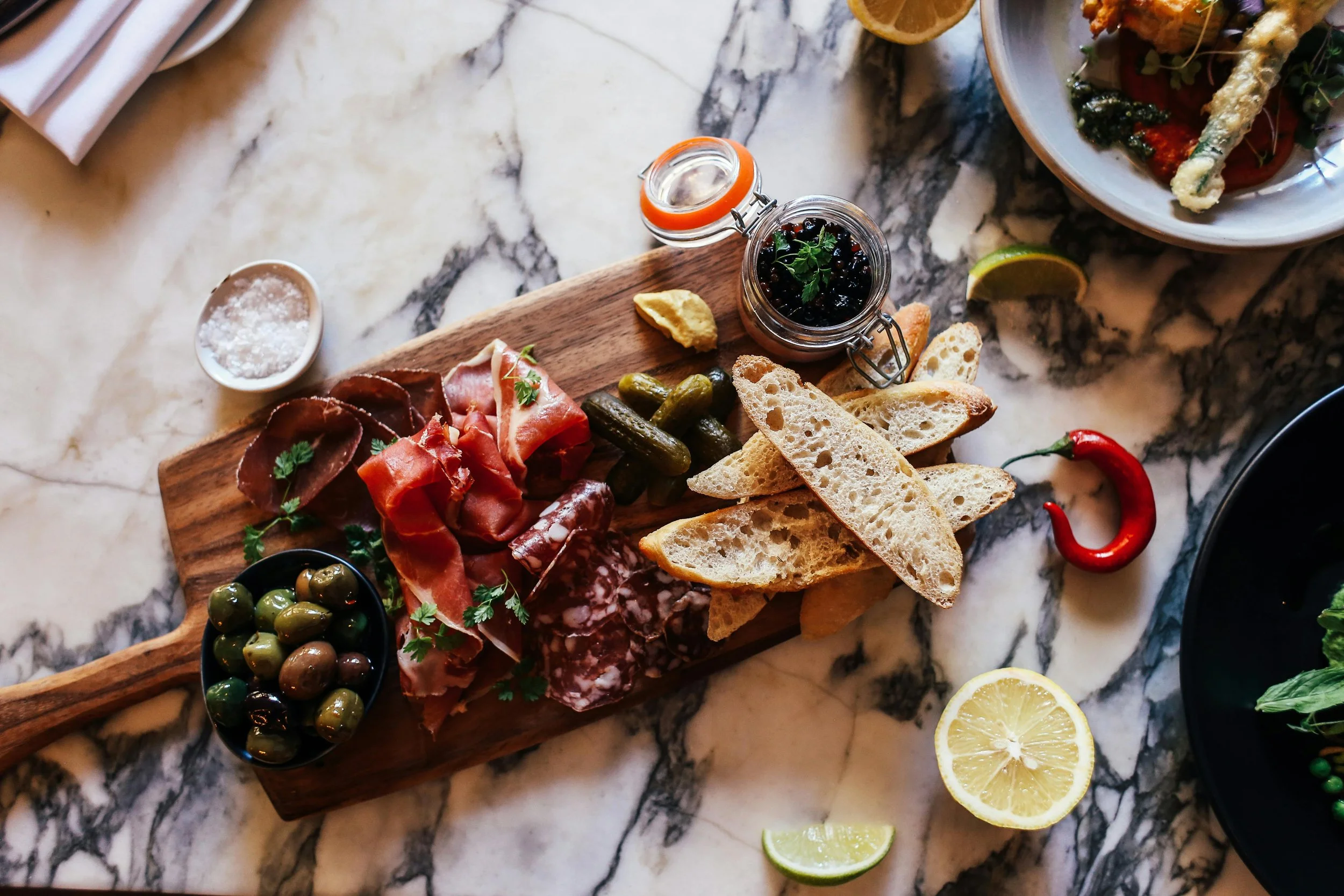
Tapas Culture Today
In Spain, going out for tapas isn’t just “having dinner”, it’s a social ritual. El tapeo is the classic evening plan to stroll from bar to bar, having one or two tapas and a drink in each place.
In many traditional eateries, people eat standing or perched at high tables, chatting with friends and the staff. Here, sharing is the rule: rather than one big main course each, everyone dips into shared plates, trying a bit of everything. It’s a casual and laid-back way to spend the evening, sharing and nibbling delicious bites rather than a single sit-down meal.
All-Time Favourite Tapas
There are hundreds of regional dishes, but here are the classics you’ll find again and again.
✥ Tortilla Española (Spanish Omelette) is a thick potato and onion omelette, sometimes with peppers or chorizo. We love it because it’s comforting and tasty - simple and yet very satisfying. Enjoy it warm or simply at room temperature.
✥ Patatas Bravas is fried potato cubes with a spicy tomato sauce, sometimes served with garlicky aioli on top. They are crispy and saucy and perfect with a cold beer. Every bar has its own bravas sauce - some smoky, some hot, some mild, there’s a taste for everyone.
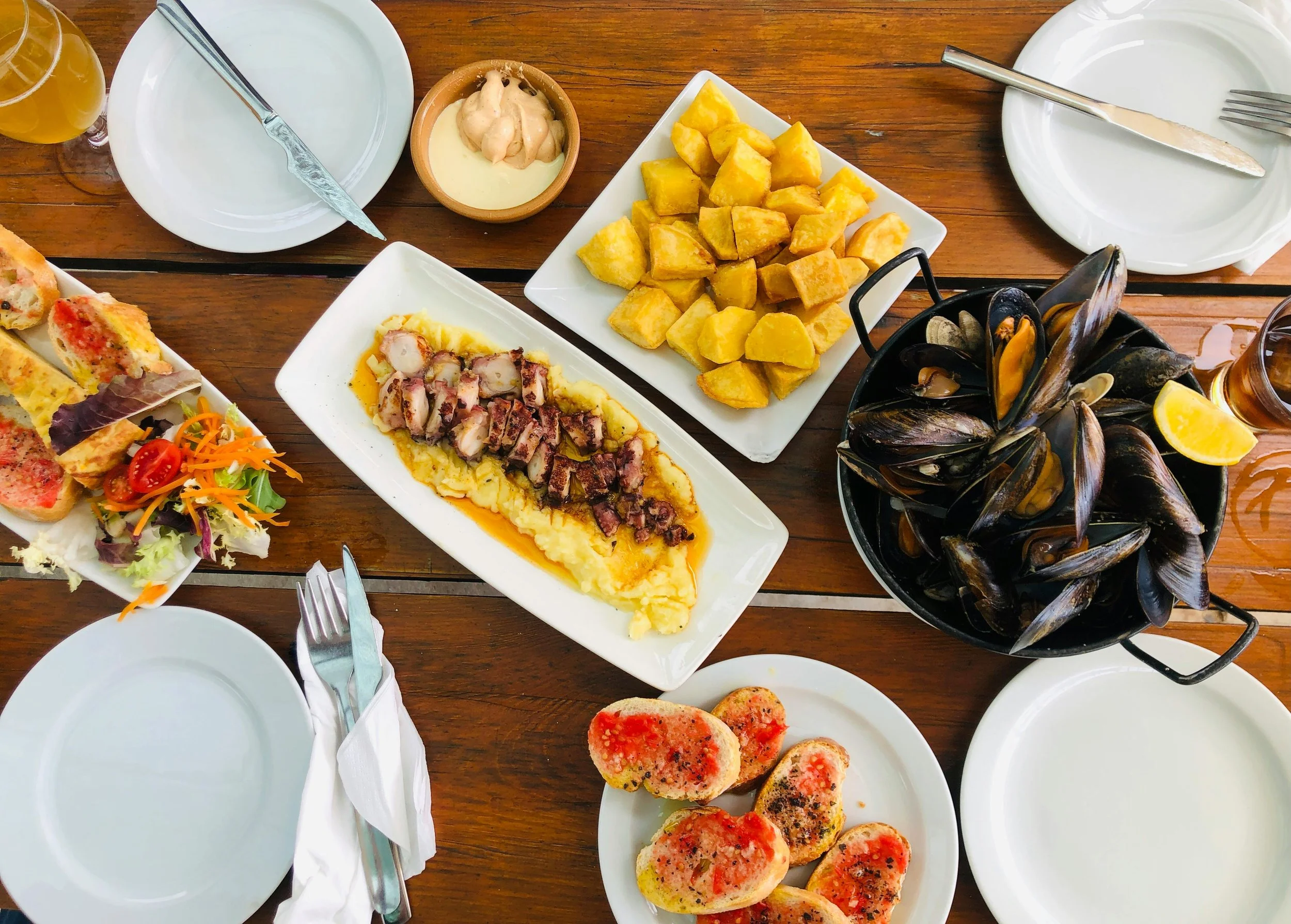
✥ Gambas al Ajillo are prawns sizzled in olive oil with garlic and chilli, often served in a small clay dish. They are incredibly fragrant and tasty - a staple in coastal areas and beyond.
✥ Calamares a la Romana are Rings or strips of squid coated in a light batter and deep-fried. We love their tender, crunchy texture; often served with a squeeze of lemon and a cold beer or vermouth.
✥ Albóndigas are small meatballs, usually beef or pork, simmered in tomato sauce or sometimes almond or white wine sauce. We love them for their hearty and homely taste; ideal in cooler weather and perfect for eating them with bread.
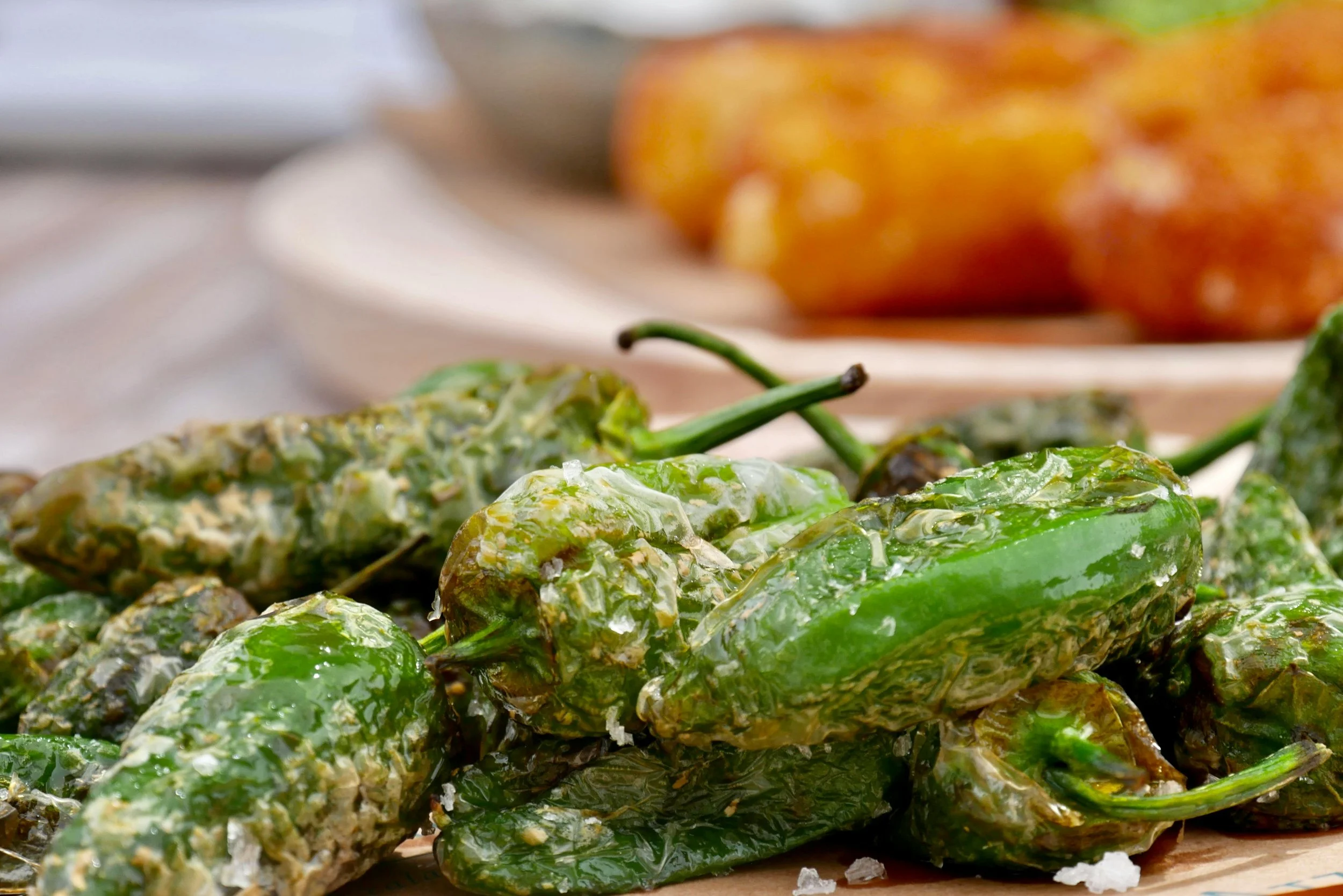
✥ Pimientos de Padrón are small green peppers, fried in olive oil and sprinkled with coarse salt. Fun fact: Most are mild, but every so often one is surprisingly hot - there’s a playful “pepper lottery” element when ordering Pimientos de Padrón. Classic with beer or cider.
✥ Chorizo al Vino or a la Sidra are slices of cured chorizo sausage simmered in red wine or cider. Smoky, chorizo becomes even richer and juicier in the wine or cider sauce. Bread is non-negotiable for dipping.
✥ Jamón Ibérico or Jamón Serrano are thinly sliced cured ham, often hand-cut to order. It’s a symbol of Spanish gastronomy. Jamón Ibérico in particular is rich, nutty and melts in your mouth. Usually served simply with breadsticks or crusty bread.
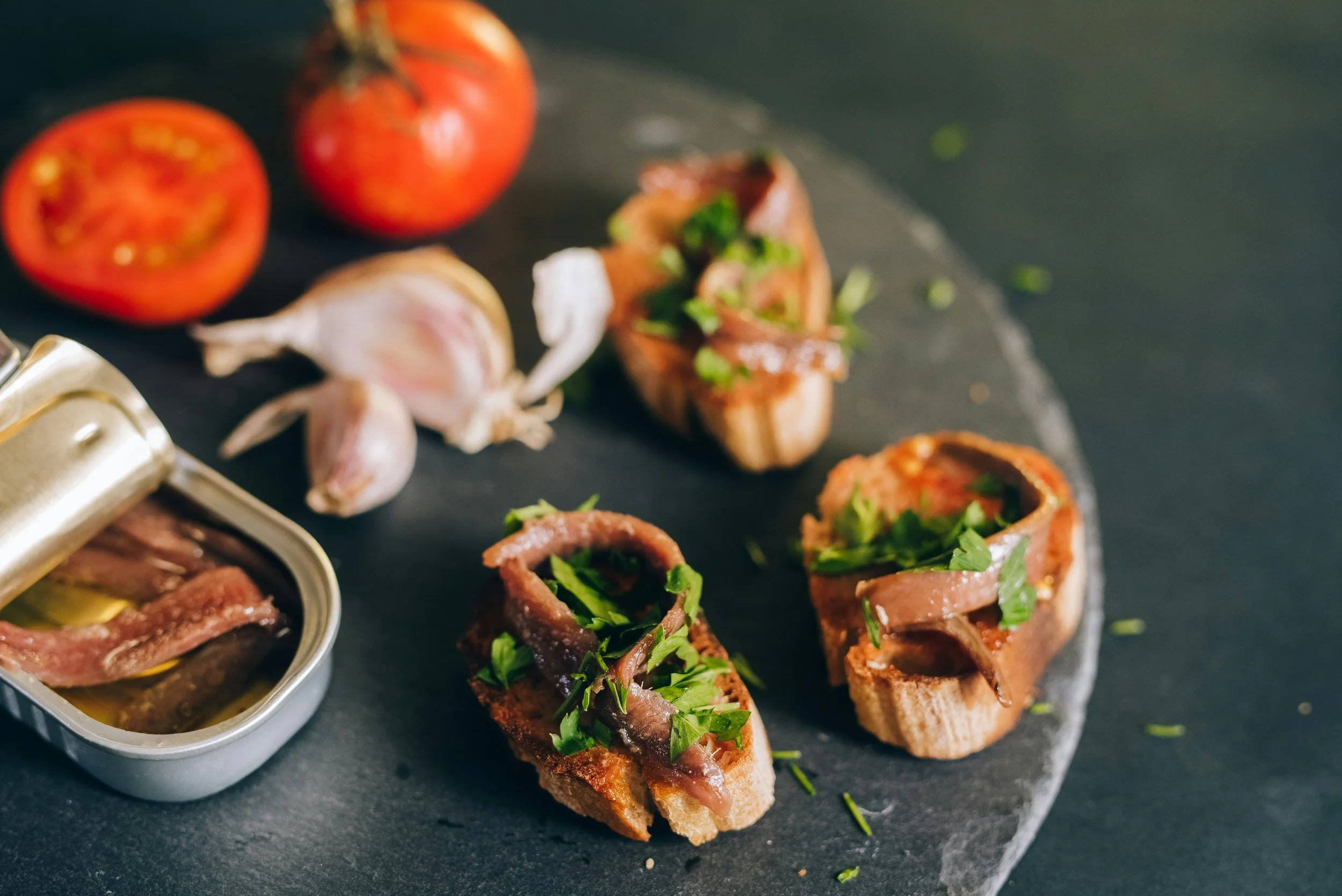
✥ Boquerones en Vinagre are anchovy fillets marinated in vinegar, garlic and parsley, usually served cool with olive oil. We love them because they are bright, tangy and refreshing especially good with a crisp white wine or sherry.
How to Enjoy Tapas Like a Local
A few quick tips if you’re diving into tapas culture:
Start at the bar: Often the best atmosphere (and sometimes the best food) is right up near the counter where everything is on display.
✥ Take your time to savour your food: Begin with 1–2 dishes and a drink. If you’re still hungry, order more. Tapas are meant to be tasted gradually.
✥ Share everything: It’s totally normal to have everyone pick from the same plates.
✥ Try regional specialties: In Andalucía you’ll see more cold tapas and fried fish; in the Basque Country pintxos (tapas on bread with toothpicks) dominate; in Galicia, octopus and shellfish shine.
So next time you’re planning an evening with friends, skip the formalities, order a table full of tapas, and savour the simple pleasure of sharing many little moments - one small bite at a time. You’ll be pleasantly surprised how entertained your guests will be.