

Eggs Beyond Breakfast: Mastering the Most Versatile Ingredient
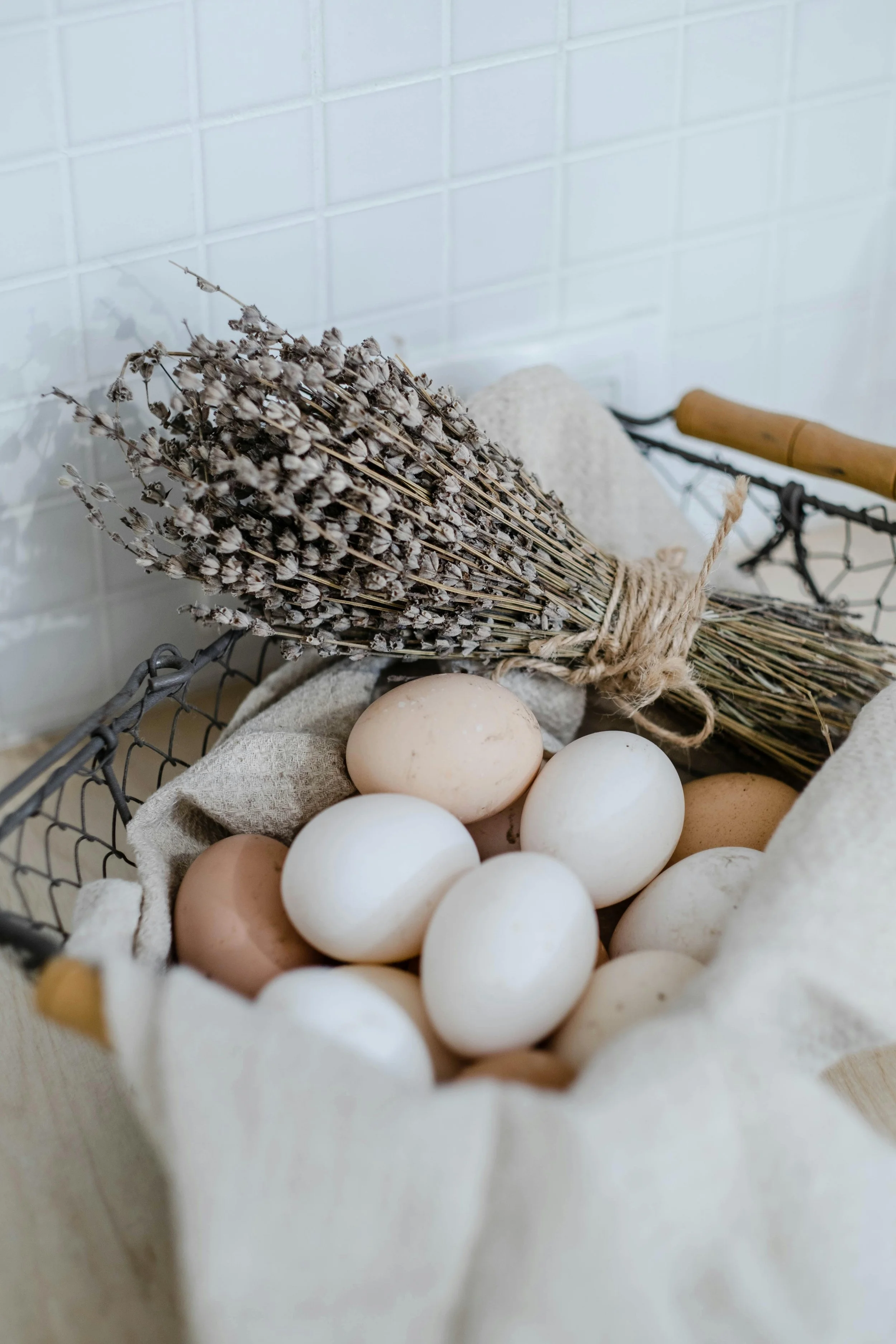
Eggs are one of the most convenient, affordable, and nutrient-dense foods you can eat. They work for quick weekday breakfasts, lazy brunches, and even “breakfast for dinner” nights. Here’s the full low-down: benefits, morning ideas, plus a bit of extra info that’s actually useful.
Why eggs are such a powerhouse
Per medium egg (roughly), you get high-quality protein with all 9 essential amino acids your body can’t make on its own, healthy fats which are a mix of saturated and unsaturated
Vitamins – notably B12, B2, A, D (especially if yolks are deep yellow), and folate;
minerals such as selenium, iodine, phosphorus, a bit of iron and zinc and last but not least, choline – important for brain and liver function.
Benefits in real-life terms
Eggs keep you fuller for longer thanks to the protein and fat. Eggs for breakfast tend to keep hunger away better than a bowl of plain cereal or toast with jam. They support muscles and recovery if you’re active or trying to maintain muscle as you age. Pairing eggs with a small amount of healthy carbs after a workout is a simple recovery meal.Choline (mainly in the yolk) has a very positive impact on brain health especially memory, mood and nervous system function. On top of all their health benefits, eggs offer a lot of nutrition for relatively little cost and effort compared to many other protein sources.
How do you like your eggs in the morning?
Eating eggs for breakfast is a great idea especially on a cold winter morning or after a fun night out when you had an extra glass to drink. The fun part of cooking eggs is that you can go from plain and simple to full brunch-restaurant mode. Here are ideas, roughly from quickest to more sophisticated.
Boiled eggs
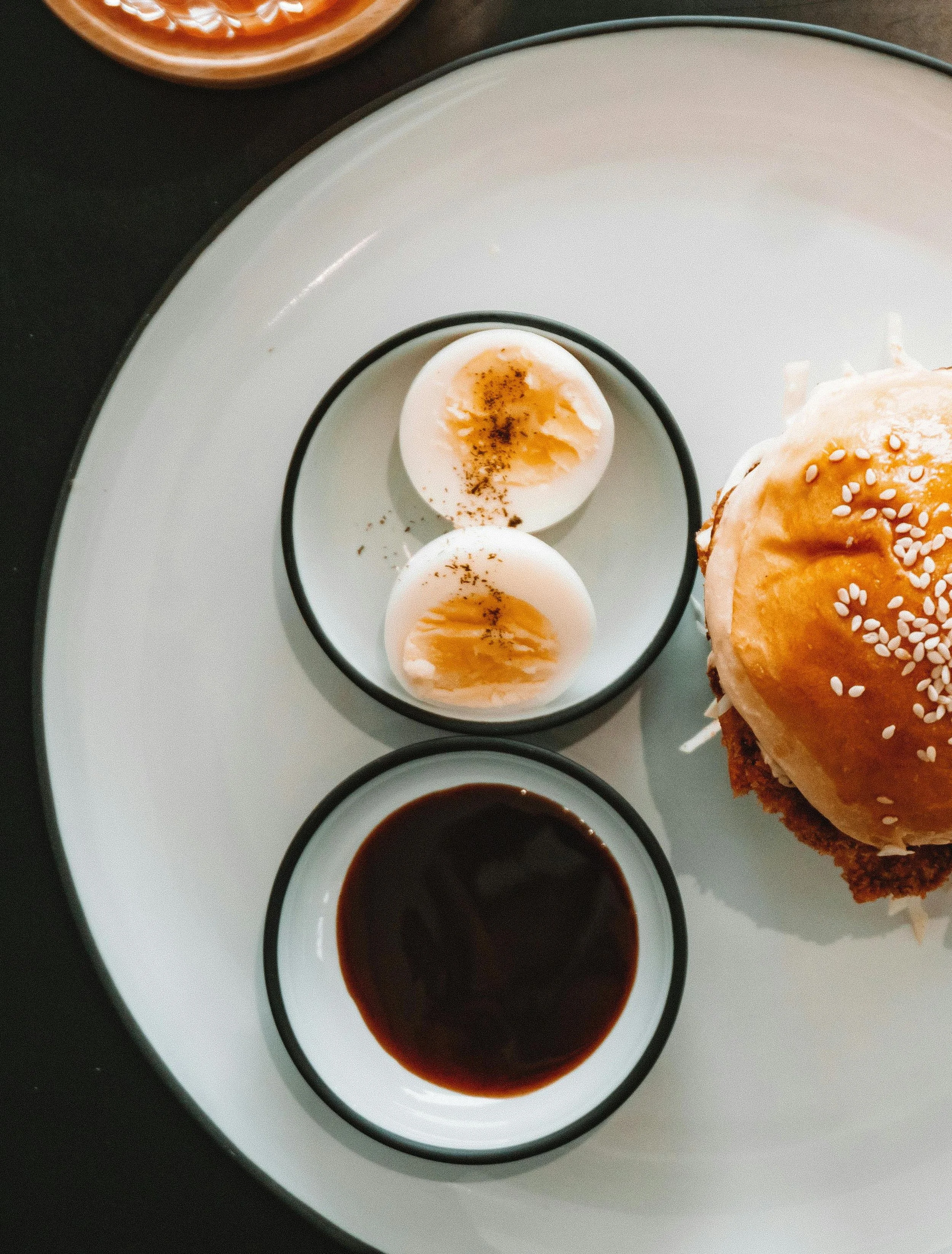
Boiling eggs takes very little effort and almost no skill, just a few simple rules of thumb, depending on the result you want:
Soft-boiled (runny yolk): 5–6 minutes in gently boiling water.
Medium (gooey centre): 7 minutes.
Hard-boiled (fully set): 9–11 minutes.
Eat them with toast “soldiers” or sliced over avocado toast − which seems to be the favourite choice of any health-conscious food aficionado nowadays, or simply keep a batch of hard-boiled eggs in the fridge for grab-and-go breakfasts or snacks.
Scrambled eggs
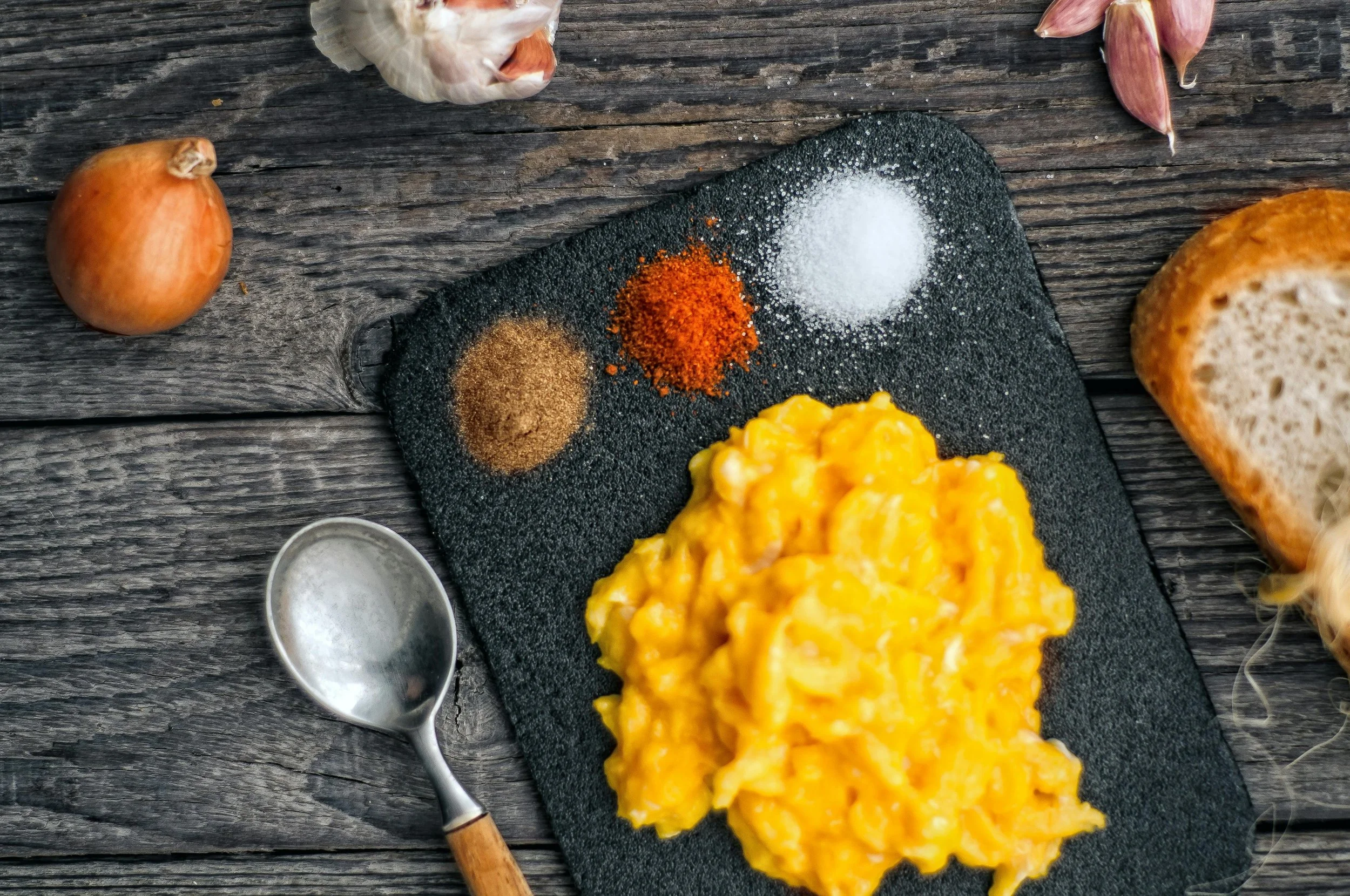
Soft, creamy scrambled eggs feel like a treat and take only 5 minutes to prepare. Here’s how you can make them:
Crack 2–3 eggs into a bowl, add a pinch of salt; optional: a splash of milk, cream, or water. Whisk lightly. Pour into a non-stick pan over low–medium heat with a bit of butter or oil. I personally like to use ghee whenever I don’t have butter in the fridge. Stir gently until just set but still glossy. They’ll keep cooking off the heat.
Serve on toast or alongside sautéed spinach and tomatoes, or avocado, with dill or chives –my favourite add-on; add your preferred cheese –cheddar, feta, goat’s cheese, or bits of smoked salmon, ham, or leftover roasted vegetables.
Fried eggs
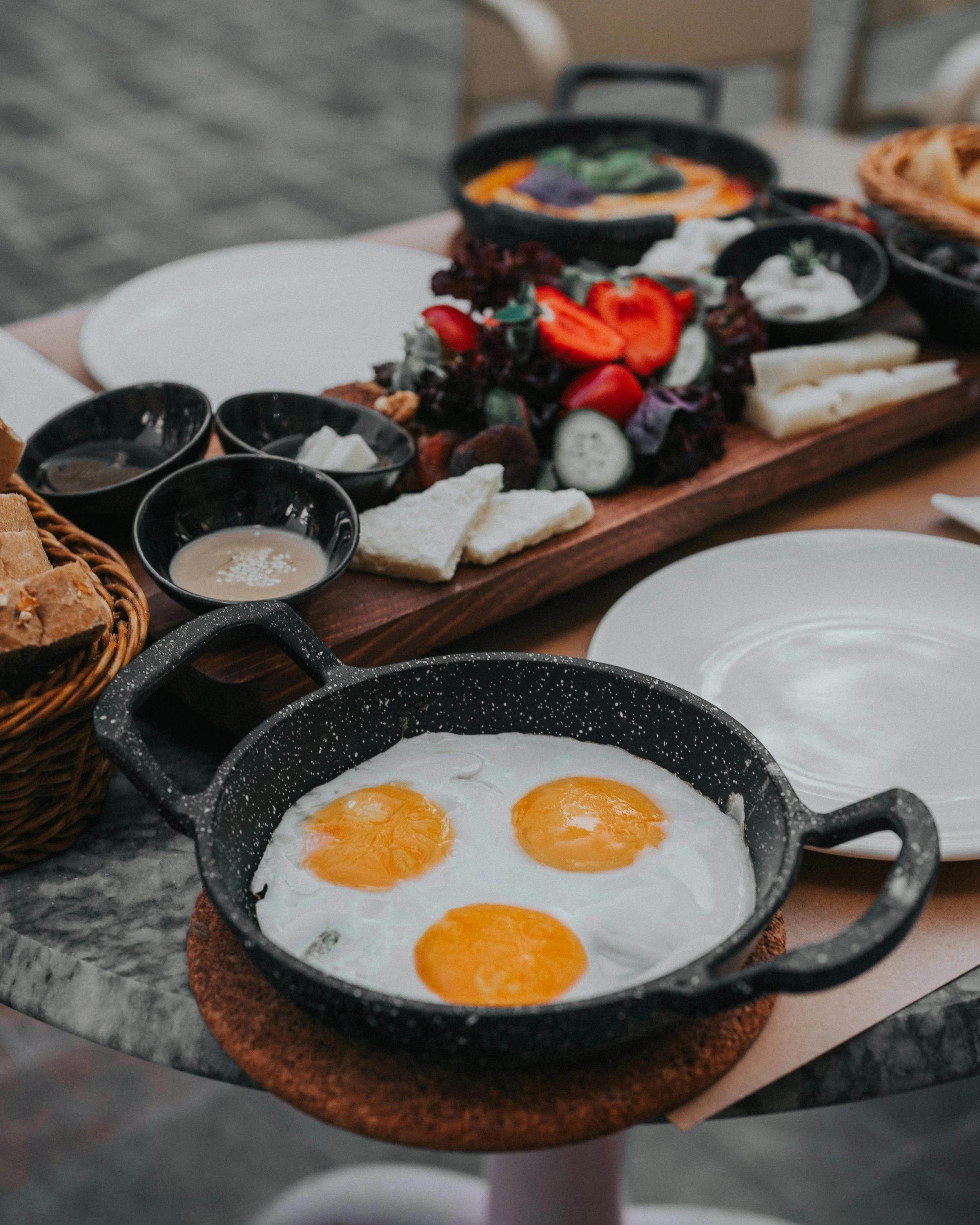
Perfect when you want that sunny yolk moment.
Sunny side up – crack into a pan and cook gently without flipping until the white is set. Flip once or simply add a lid on top of the frying pan to help cooking the yolk to your liking.
Poached eggs with Avocado on Toast
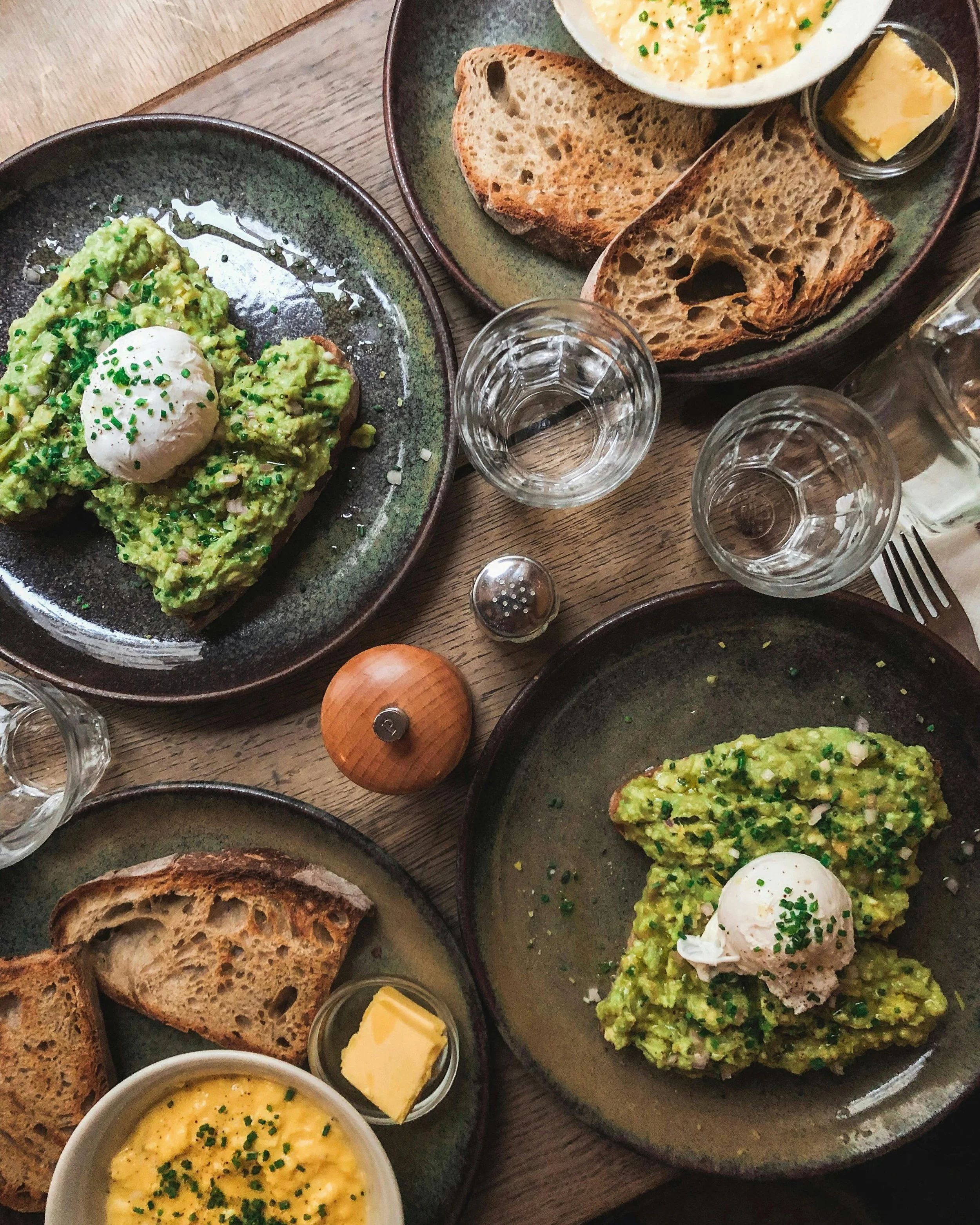
Poached eggs are more delicate and require a bit more expertise, but once you get the hang of it, they’re straightforward.
How to achieve it:
Bring a pot of water to a gentle simmer (not a wild boil) and a tablespoon of apple cider vinegar. Crack the egg into a small cup. If the egg is not very fresh you can use a sieve to let the liquid drain. Swirl the water lightly and slide the egg in. Cook 3–4 minutes for a runny yolk. Lift out with a slotted spoon and drain briefly on paper towel.
Serve on toast with smashed avocado, smoked salmon, or sautéed greens. As “eggs Benedict” style on an English muffin with ham and hollandaise for treat mornings.
Omelettes
Think of omelettes as folded, tidy scrambled eggs with fillings.
To achieve a basic omelette beat 2–3 eggs with salt and pepper and pour into a hot, lightly oiled pan. When almost set, add fillings on one half: cheese, spinach, mushrooms, peppers, herbs, leftover veg, etc. Fold and cook 1 more minute and voilà! Your omelette is ready to be savoured!
Other variations include french-style – pale and tender, just barely set, Spanish omelette (tortilla) – eggs set around potatoes and onions; great for slicing and reheating or frittata – the Italian, open-faced egg dish where fillings are mixed into the eggs and cooked slowly. If you like to batch-cook, these are great options, for a hearty breakfast, lunch or dinner.
Frittata
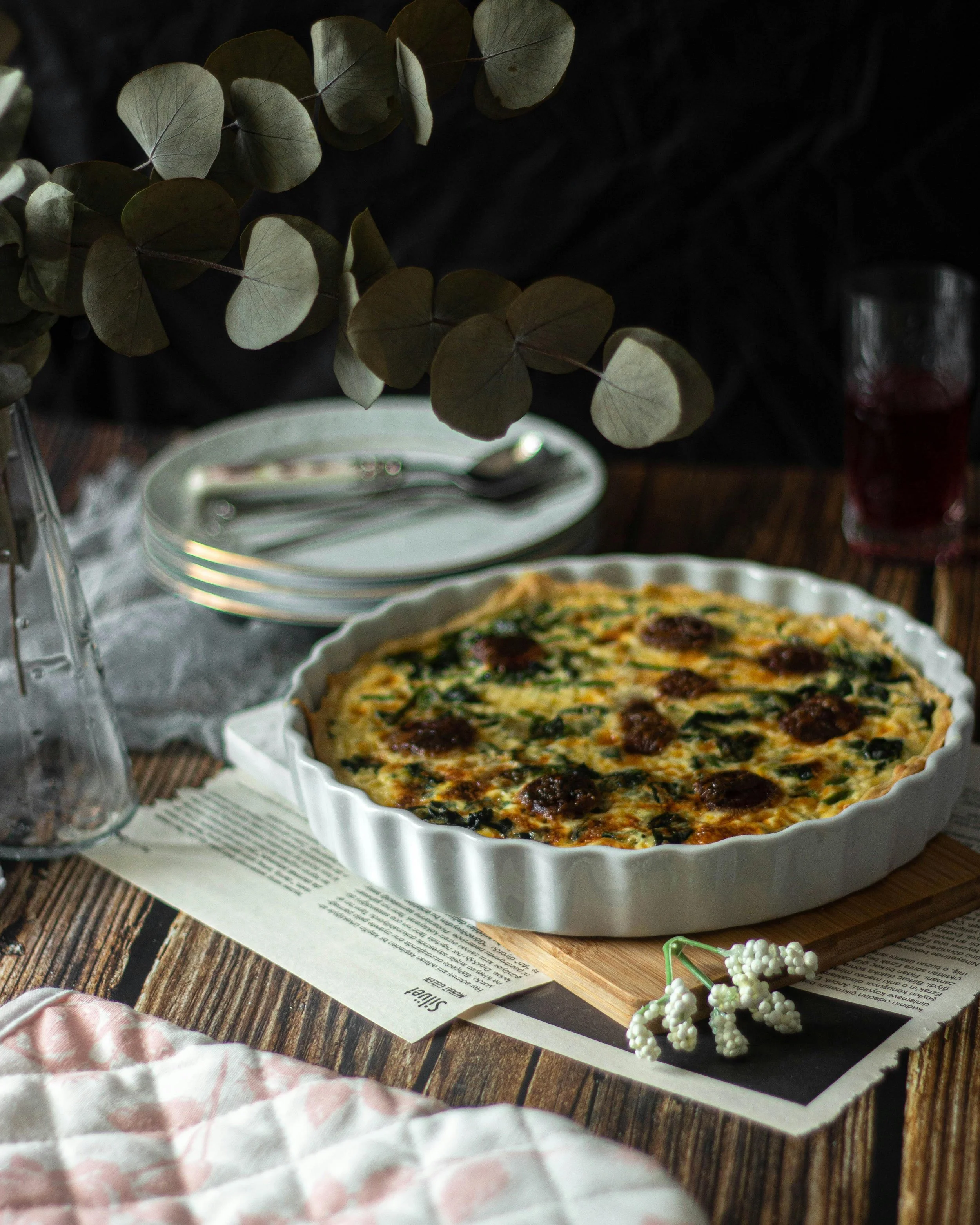
For a frittata simply whisk eggs as for an omelette with salt, pepper, maybe some milk. Pour over cooked veg and/or meat in an oven-safe pan.Sprinkle cheese on top. Bake until just set.Slice into wedges and reheat for fast breakfasts all week.
Shakshuka
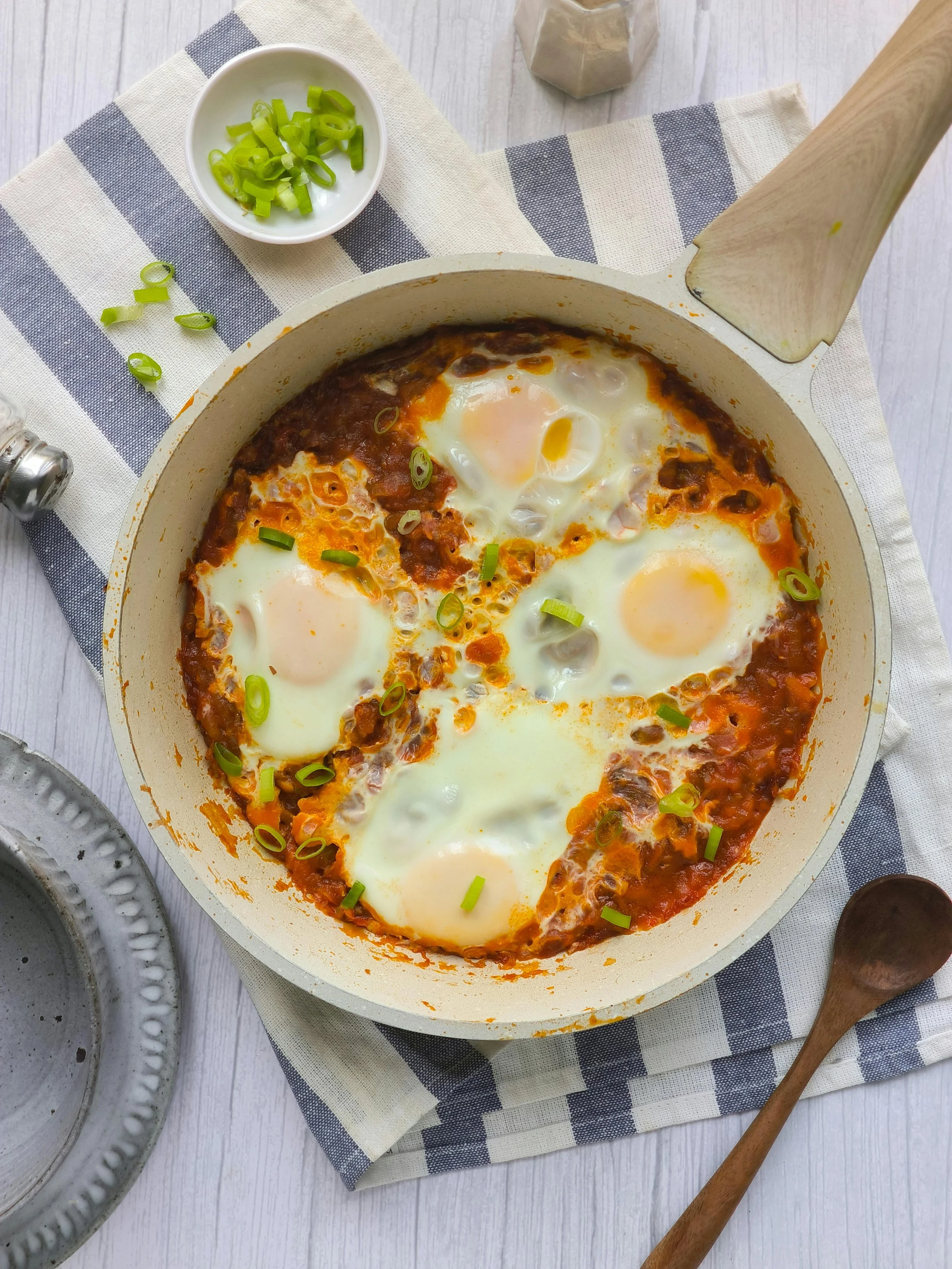
Shakshouka is a popular one pan egg dish poached in a sauce of tomatoes and red peppers, cooked in olive oil with onion, garlic and spices such as cumin, paprika, and cayenne pepper. I like to add my own twist by swapping regular paprika for Pimentón, a Spanish smoked paprika. Then I simply simmer tomato sauce in a pan with onion, garlic and spices to which I mix grilled red peepers without the skin. When cooked, make little “wells” and crack eggs into them. Cover and cook until the whites are set and yolks still soft. Scoop into bowls with bread to dip and soft cheese - labne or Philadelphia, on top.
The cholesterol question
Eggs did get a bad reputation for a while because of their cholesterol content (it’s mostly in the yolk). For most healthy people, moderate egg intake – 1- 2 eggs a day on average, is generally fine as part of a balanced diet. People with specific conditions (like familial hypercholesterolemia or very high cholesterol under medical management) should follow their doctor/dietitian’s advice, which might include limiting yolks. In conclusion, if you’re generally healthy, eggs in sensible amounts are usually okay and can be part of a heart-conscious way of eating.
Safety, storage & quality
Store eggs in the fridge in their carton. Fresher eggs are best for poaching; older (but still in-date) ones peel more easily when boiled.
To reduce risk of foodborne illness, especially for children, pregnant women, older adults, or anyone with a weakened immune system, avoid raw eggs or very runny whites unless local guidelines say they’re safe (e.g. from certain stamped or pasteurised eggs).