

Asian Food - A Passion
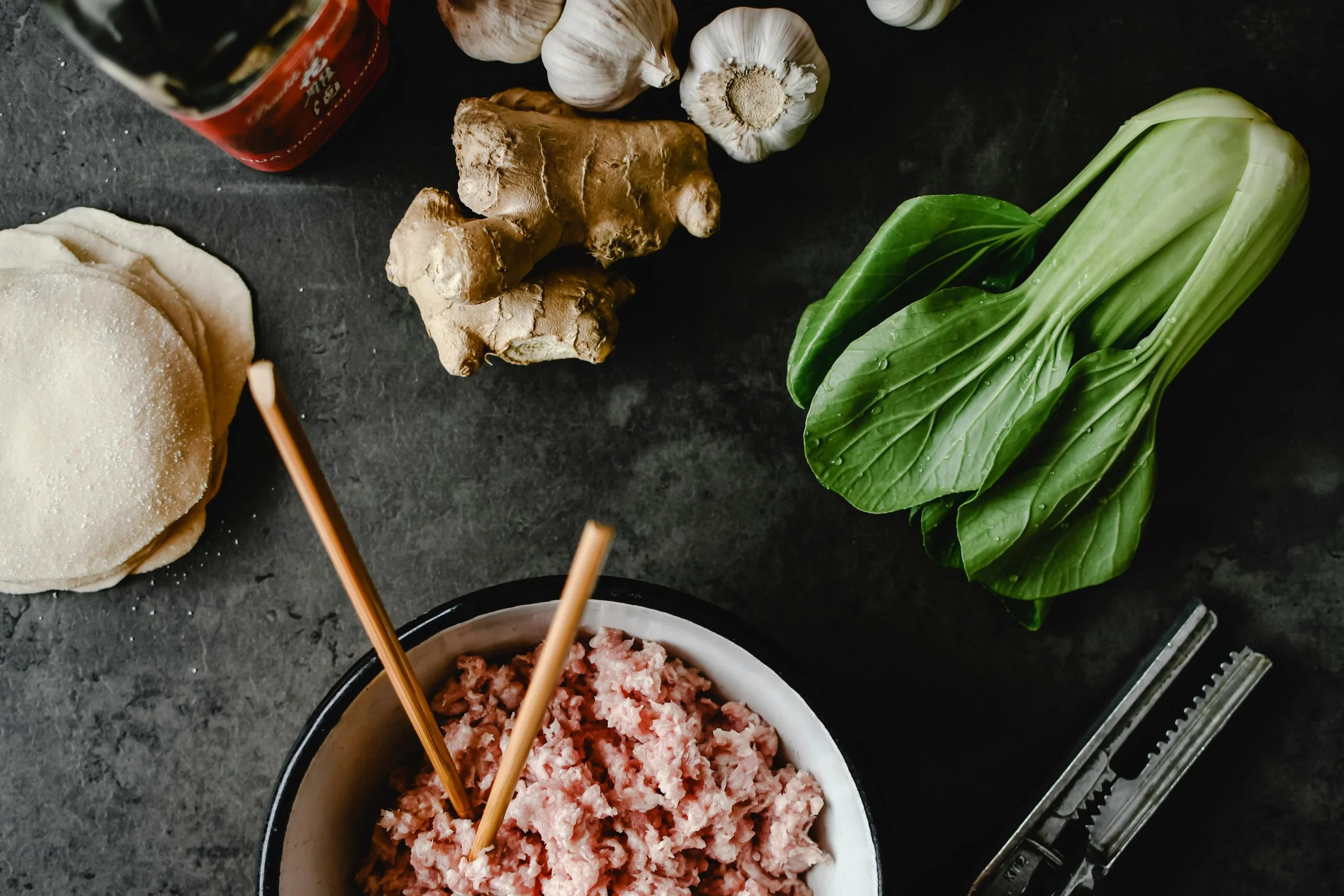
I’m always in the mood for Asian food in one form or another almost all the time—especially that I live in a part of the world where Italian cuisine reigns supreme. It’s not that Asian restaurants don’t exist here, but the choice is limited, and the flavours rarely feel as authentic as they do in a truly cosmopolitan city. Nothing fussy, no complicated “fusion”—just the classics that never miss: steamer baskets piled high with dim sum, the smoky abundance of Korean BBQ, the sharp bite of kimchi, the clean, precise beauty of sushi. These are the dishes I return to again and again.
Dim Sum – Little Bites, Big Appetite
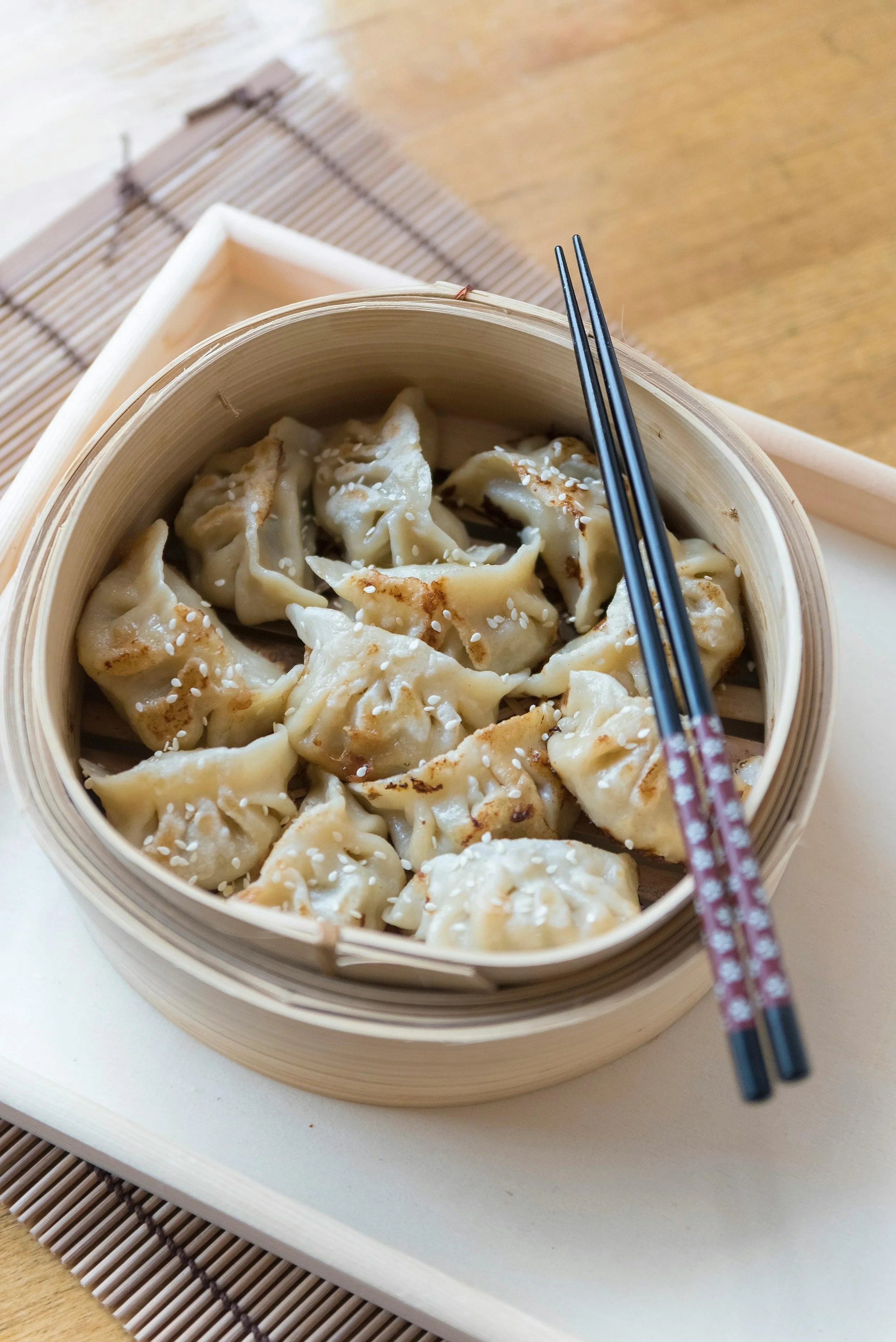
The dim sum experience feels very comforting and surprising to me, almost like a small ceremony: steam, chatter, and bite-sized treats arriving in waves. You’re not just ordering one dish; you’re choosing a little parade of bamboo baskets filled with tiny plates to share, each one a small surprise on the table. Soft, translucent har gow (shrimp dumplings), juicy little shu mai, pillowy char siu bao filled with sweet roast pork, then something golden and crisp to balance all the steaming baskets—dim sum is built for grazing and sharing. Everyone at the table has their favourites, and that’s half the fun. There is also ceremonial aspect and the element of surprise of sharing dim sum: tea being refilled, lids lifting to release clouds of fragrant steam, chopsticks drifting across the table to just taste one more. It’s not rushed, not dramatic—just a slow, sociable way of eating that feels oddly quiet, even when the table is full.
Korean BBQ – Controlled Chaos at the Table
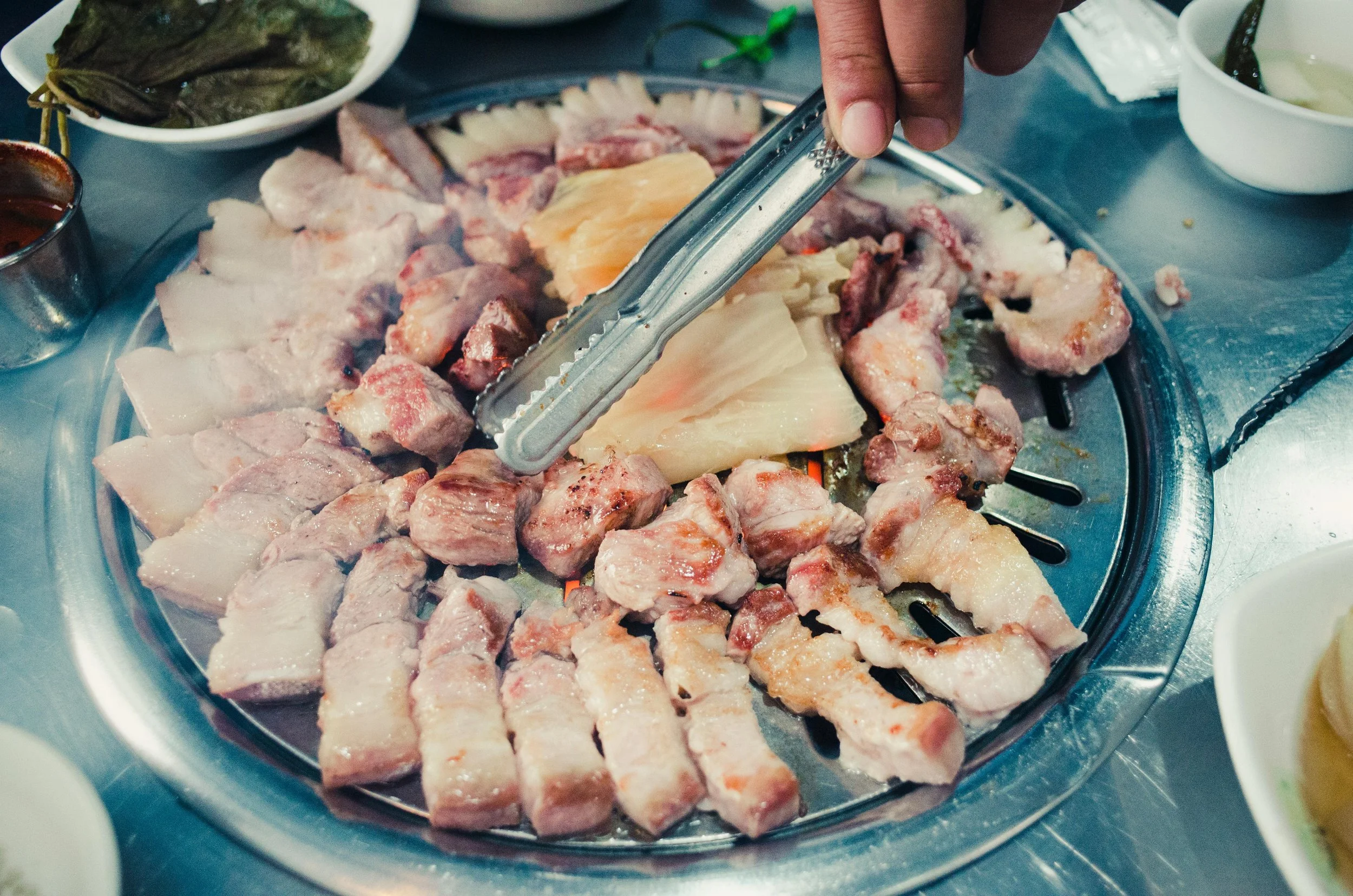
If dim sum is a delicate parade of delightful buns, Korean BBQ is organised chaos —in the best possible way. The grill in the middle of the table turns everyone into an amateur cook. Thin slices of marinated meat hit the hot surface with that satisfying sizzle, strips of pork belly begin to crisp, cloves of garlic and slices of onion are pushed to the side to soften in the fat. It’s simple and primal, but what lacks in presentation and sophistication compensates in taste.
The perfect bite usually goes something like this: a piece of grilled meat, a leaf of lettuce or perilla, a dab of ssamjang (that wonderfully savoury, slightly spicy paste), maybe a slice of garlic or chilli if you’re feeling bold. And then there are the banchan—all the little side dishes that arrive without much explanation: pickles, salads, tiny bites of this and that. You just have to enjoy the variety and accept that you’ll probably eat more than you meant to.
Kimchi – The Small Jar With a Big Personality
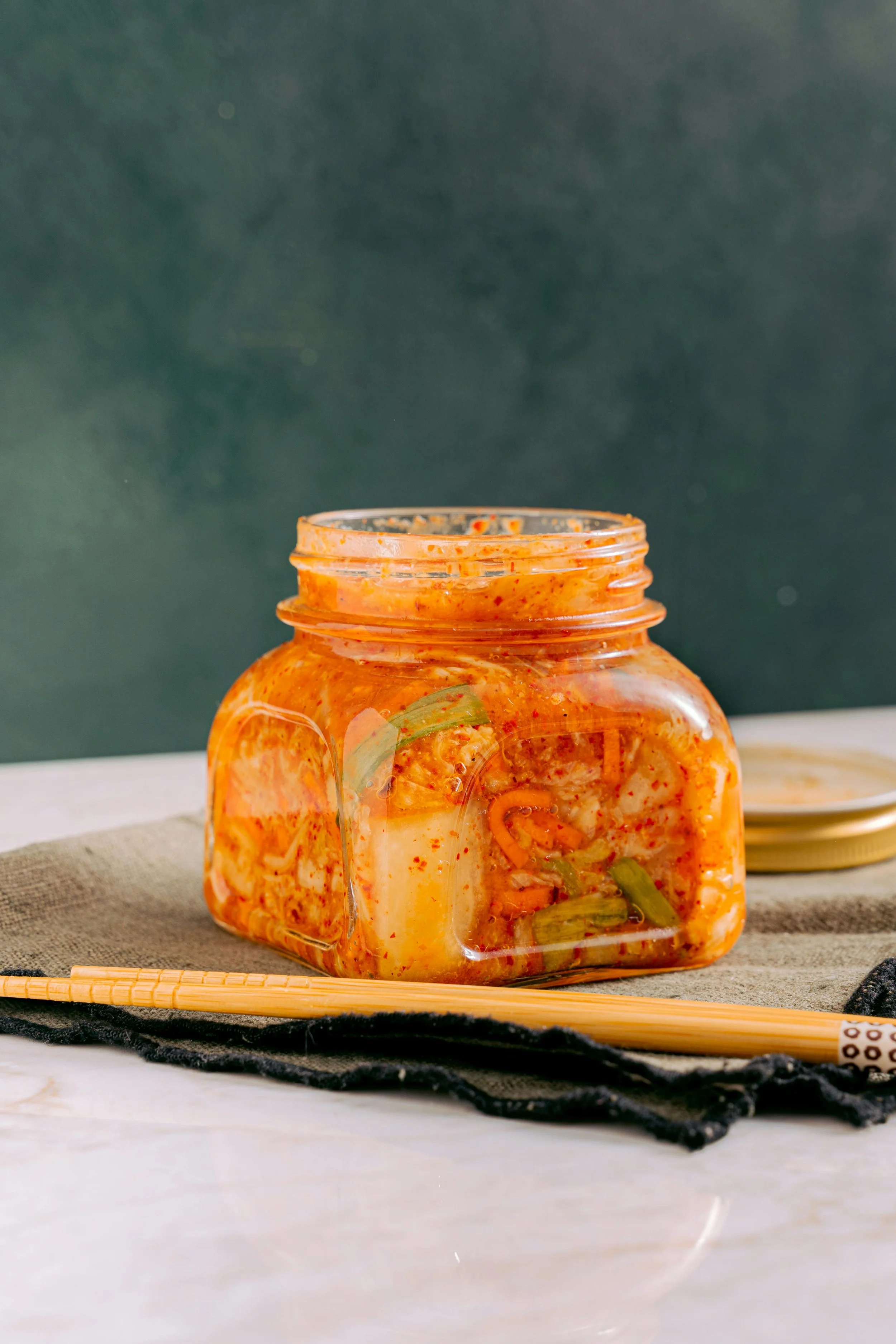
Kimchi is a side dish made of fermented cabbage to which spices are added. I discovered it during my first Korean BBQ experience and adopted it right away. Good kimchi is a little bit wild: spicy, sour, salty all together, with a pungent yet pleasant smell that reminds you it’s a natural probiotic. Serve it beside grilled meat, a bowl of rice, or even a simple fried egg, and suddenly you just created a very balanced and tasty dish. Kimchi adds that drop of sour, the way a squeeze of lemon does on Mediterranean dishes. I also love the idea behind it: vegetables and a bit of fermentation magically transformed into something exhilarating and tangy. Preserving cabbage for winter is very practical—having been born in a country that has a tradition in fermenting vegetables for winter, I quickly added kimchi to my list of favourite foods. If you like pickled cabbage you’ll love kimchi.
Sushi – Minimalist Luxury
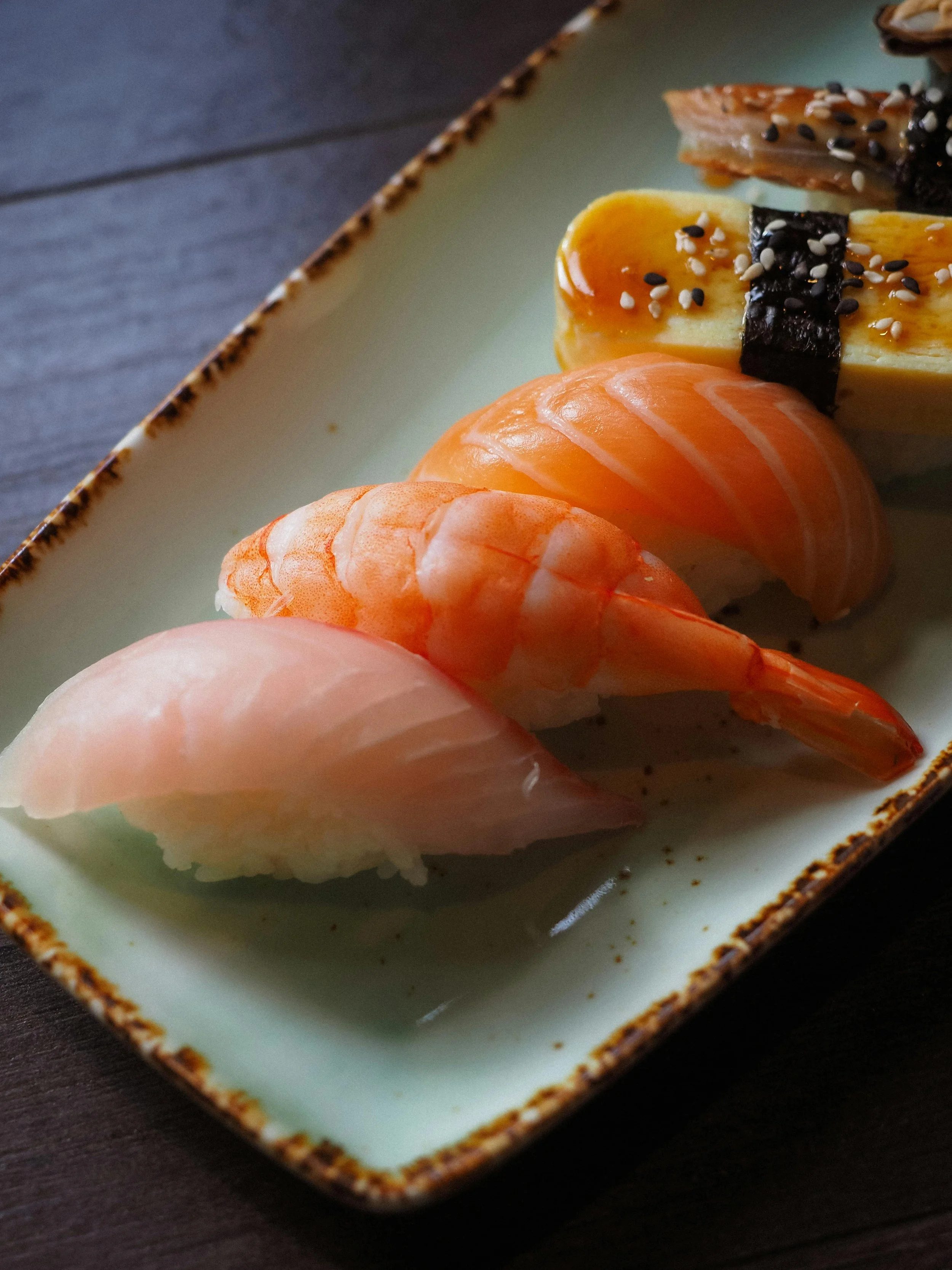
Where Korean BBQ is abundant and smoky, sushi is calm and precise. It’s food that oozes restraint and balance: good rice, fresh fish, clean flavours. Whether it’s a simple piece of nigiri: just a small mound of perfectly seasoned rice, shaped by hand, topped with a slice of fish or Maki — the classic small cut rolls made of rice and fillings wrapped in nori (seaweed), then sliced into bite-sized pieces; these can be very slim with just one filling, or thicker with several. There are also uramaki — rolled inside out with the rice on the outside, and temaki, cone-shaped hand rolls you eat with your fingers. Together they show how Japanese sushi moves from very minimal and refined to more playful and generous.
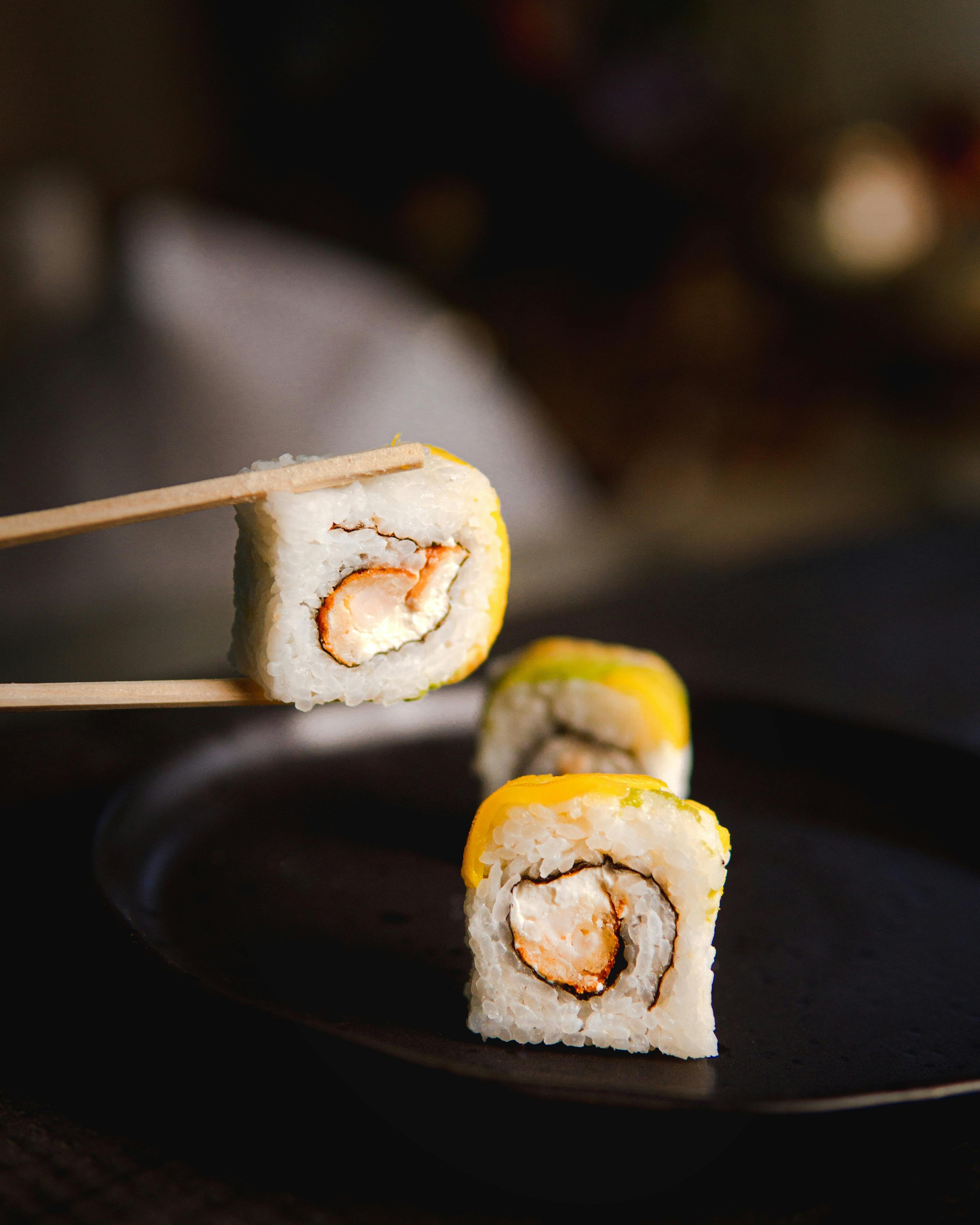
Of course I have to mention here the California rolls — the Westernised cousin of traditional Japanese sushi. Like with the uramaki, they’re usually rolled with the rice on the outside, with a filling of crab, avocado and cucumber, often finished with sesame seeds or tobiko. They were created in North America, partly to appeal to people who were hesitant about raw fish and big sheets of visible nori. By contrast with classic Japanese sushi which tends to be simpler and more restrained, California rolls are softer, creamier and more familiar — may I say , almost like a gateway sushi for beginners. Nevertheless, whether it’s traditional Japanese sushi or California rolls, generally speaking they exude simplicity, precision with an emphasis on the main ingredient which is the fish.
I like how versatile sushi is. You can keep it light and minimalist—just a few pieces of sashimi and a miso soup if you are carb-conscious, or make it a full experience with rolls, nigiri, tempura on the side, and plenty of wasabi and pickled ginger. It always feels special, but never heavy or overdone.
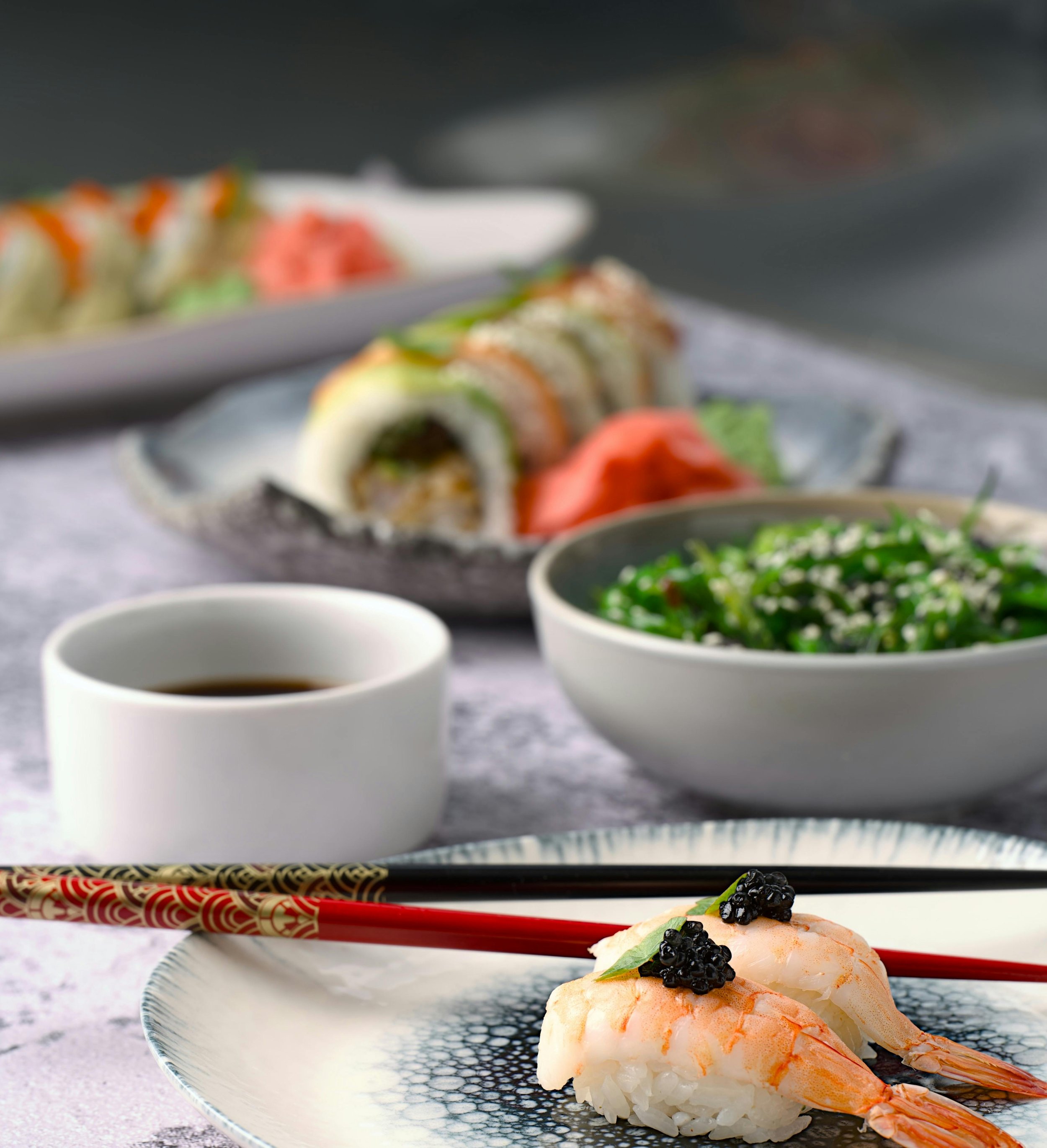
The best side dish to accompany your sushi dinner is wakame — a type of edible seaweed often used in Japanese cuisine, especially in miso soup and simple salads. I love it for its a soft, slightly slippery texture and its mild, ocean-like flavour that’s much more subtle than you might expect from seaweed.
I enjoy it on its own with my sushi or added into a little salad with cucumber and avocado, some olive oil (or whatever oil you prefer), a splash of vinegar–I particularly like salted ume plum vinegar—and a sprinkle of sesame seeds. Rich in minerals like iodine, calcium and magnesium, it has become my perfect side dish for raw fish, whether it’s sashimi, tartare or carpaccio. A few strands can completely transform a bowl of soup or a salad, adding depth, flavour and that unmistakable Japanese touch.
A Few More Favourites
Beyond this selection of all time favourites , there are a few other Asian dishes I always find myself going back to:
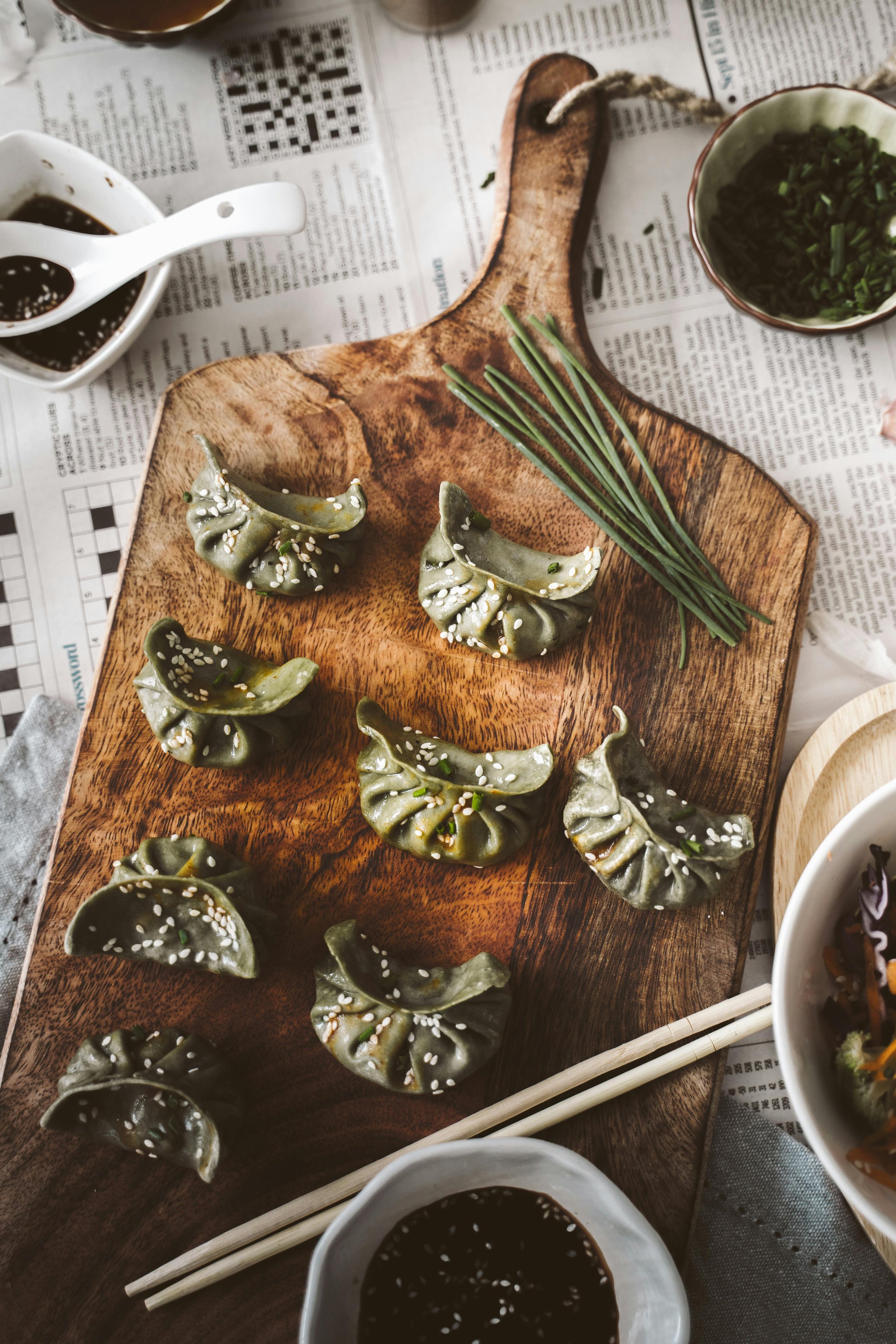
The Japanese version of dumplings Gyoza are crisp on one side, soft on the other, with that velvety filling that becomes so irresistible the moment you bite into it.
Pad Thai or Pad Kra Pao – for when I am in the mood for something quick, bold and and more consistent, with a touch of lime, and the strength of chilli, seasoned with fresh herbs.
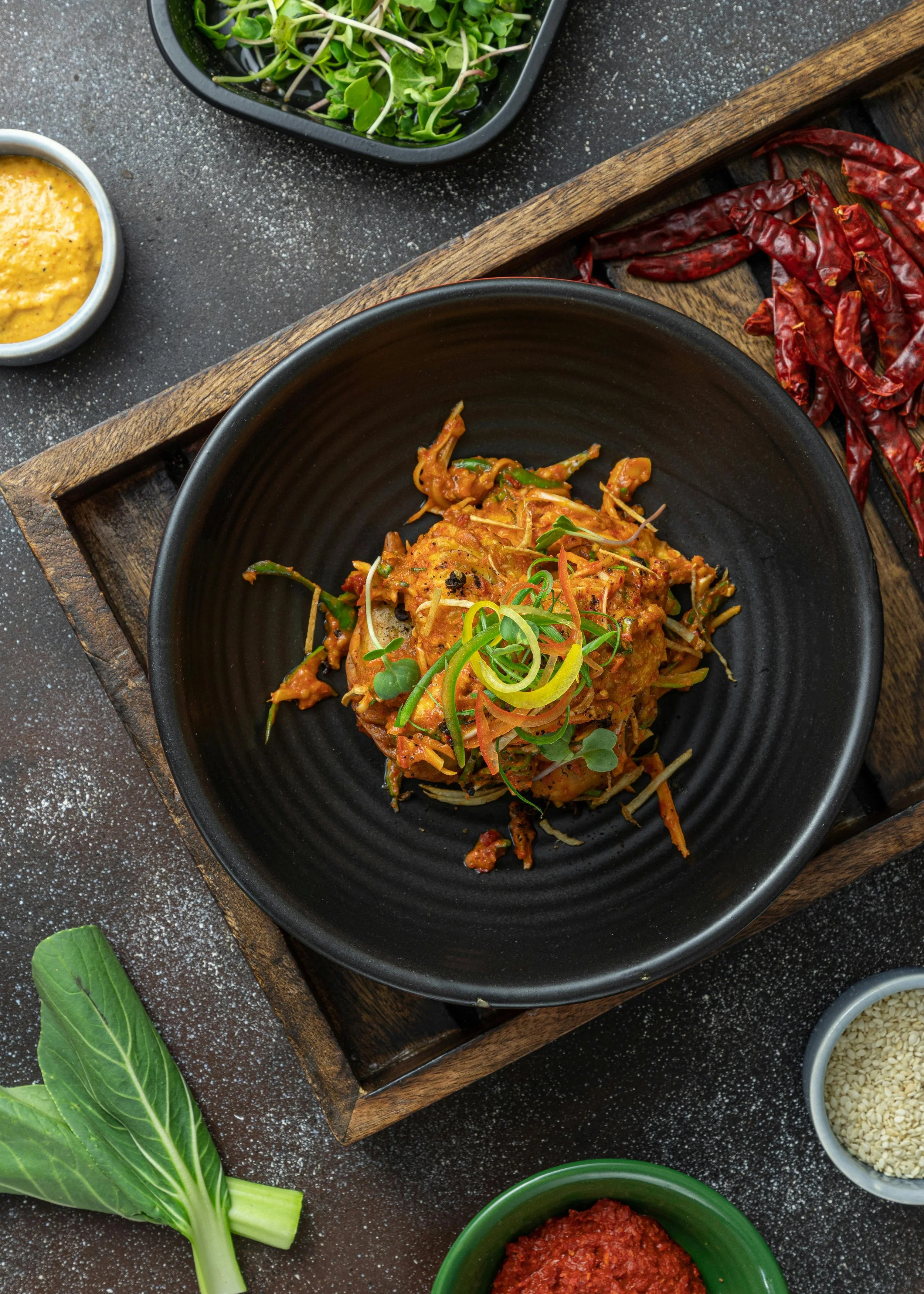
These are the dishes that keep brighten up my life, again and again. They’re comforting, a little bit indulgent, and endlessly satisfying—which is probably why I never get tired of them.