

~ Caring for Wool & Cashmere ~

Wool and cashmere are the stars of cold-weather dressing: breathable, naturally insulating and far more resilient than they look. With a little care, they don’t just last a few winters, but a lifetime if cared for. Looking after them is not that complicated: washing gently, drying thoughtfully, and and care for them properly so you can enjoy them for many seasons to come.
~ Start With the Label ~
Every jumper, scarf or throw arrives with a tiny care label that’s worth listening to. Those symbols (little tubs of water, triangles, circles) are a kind of shorthand: they tell you how much water, heat and handling your piece can safely tolerate.
As a rule of thumb, hand-wash or use a wool setting for softer, unstructured knits (jumpers, cardigans, socks, hats), and keep tailored pieces—like wool coats, blazers and lined skirts—for a trusted dry cleaner. Their inner structure doesn’t respond well to soaking and agitation, which can distort the shape.
~ Everyday Habits Before You Even Wash ~
Wool and cashmere do better with “little and often” care than constant washing. The fibres are naturally odour-resistant, so you can usually wear them several times before they need a bath. In between, shake them out, smooth them, and let them rest on a hanger or folded over a chair for a few hours so air can move through the fibres.
Rotate your favourite pieces, too. Giving knitwear a day off between wears allows the fibres to spring back and reduces stretching at the elbows and cuffs. When they start to lose their shape, simply give them a gentle wash in lukewarm water with a delicate detergent and dry them flat. You’ll be amazed at how easily they regain their softness and form
~ Washing: Cool, Gentle, Unhurried ~
For both wool and cashmere, three golden rules:
❊ Cool or lukewarm water (around 30°C)
❊ A small amount of gentle, wool-specific detergent (no enzymes, no fabric softener)
❊ Minimal agitation—no twisting, wringing or scrubbing
These fibres are made of protein, like your hair, and react badly to heat, sudden temperature changes and rough handling. That’s what causes felting and shrinkage.
~ Drying & Reshaping ~
Wool and cashmere dislike heat so avoid radiators, hot air cupboards and tumble dryers entirely. After washing:
❊ Gently press out excess water (never wring).
❊ Lay the garment flat on a clean towel, roll it up like a Swiss roll and press to remove more moisture.
❊ Unroll, then lay flat on a dry towel or mesh rack, reshaping the neckline, sleeves and hem with your hands.
❊ Leave to dry at room temperature, away from direct sunlight or heat.
Once dry, you can lightly press with a cool iron and a damp cloth between iron and knit if it needs a little smoothing. To freshen a jumper that isn’t visibly dirty, simply hang it in a steamy bathroom for a few minutes while you shower, then air it in a well-ventilated room. Steam relaxes creases and helps release odours.
For wool or cashmere that has become a bit itchy or “crispy” after the wrong wash, a soak in cool water with a small splash of white vinegar, followed by careful rinsing and flat drying, can help remove detergent residues and restore softness.
~ Pilling: A Normal Part of the Story ~
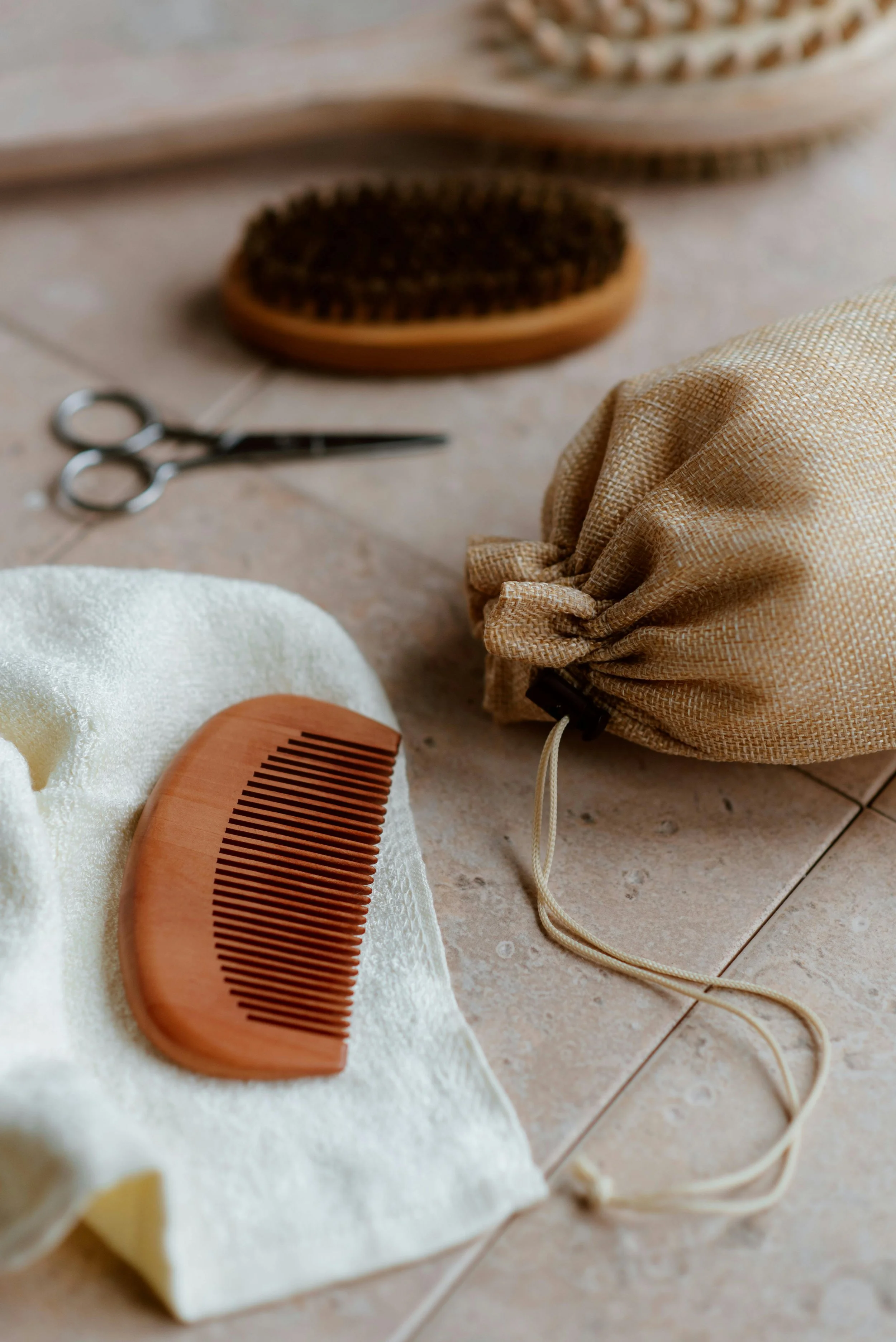
Those tiny bobbles that appear on the surface of your favourite jumper aren’t a flaw—they’re a sign of loose fibres working their way free. Softer, loftier yarns pill more in the beginning, then settle down once the shortest fibres have been shed. Rather than pulling them off (which can damage the fabric), remove pilling with a cashmere comb for delicate yarns, sweater stone for chunky jumpers or a gentle fabric shaver, always working in one direction and with a light hand. Done regularly, this leaves knitwear smoother, softer and looking almost new again.
~ Storing Through the Seasons ~
Clean knits before you put them away for longer than a week or two - moths are drawn to traces of perspiration and food rather than the fibre itself.
For storage:
❊ Fold, don’t hang, to avoid stretching at the shoulders.
❊ Use breathable cotton bags, boxes or drawers rather than plastic, which traps moisture.
❊ Tuck in cedar balls, cedar blocks or lavender sachets as a natural deterrent to moths, refreshing or replacing them each season.
If you ever discover moth damage, pop the clean, dry garment into a sealed bag and freeze it for 48 hours to kill any remaining larvae, then let it come back to room temperature slowly and store with fresh cedar.
~ A Little Care, A Lot of Comfort ~
Caring for wool and cashmere it’s about a small, gentle routine that lets beautiful things last. Cool water instead of harsh heat, a comb instead of impatient fingers, a clean drawer with cedar rather than the back of a crowded rail. Treat these fibres kindly and they’ll reward you with years of warmth, softness and quiet luxury - whether they’re wrapped around your shoulders or resting at the foot of your bed.