

The Ultimate Jeans Guide: Fit, Care, Style, and What’s Worth Paying For
Jeans began as practical workwear — sturdy fabric built for hard use. Then they became a symbol: rebellion, youth culture, Americana, effortless cool. That’s why denim trends cycle endlessly. Every generation “rediscovers” a cut or colour, proclaims it new, and then swears the old one is dead. Skinny to wide to straight to flare — it all comes back in fashion. The real style move is choosing what suits your body and your lifestyle, not just the trend.
Jeans are one of the few items in a wardrobe that can feel both effortless and oddly complicated at the same time. The right pair makes you look pulled-together in ten seconds. Another makes you question every life choice in the dressing room mirror. The truth is, denim isn’t “one size fits all” — the cut, rise, fabric weight, and even pocket placement can change everything.
This guide is designed to avoid the drama of an ill-fitted pair of jeans. It covers how jeans should fit, the core cuts worth knowing, how to build a small jeans wardrobe you’ll actually wear, what mistakes to avoid, how to make denim last, and when paying more is truly worth it.
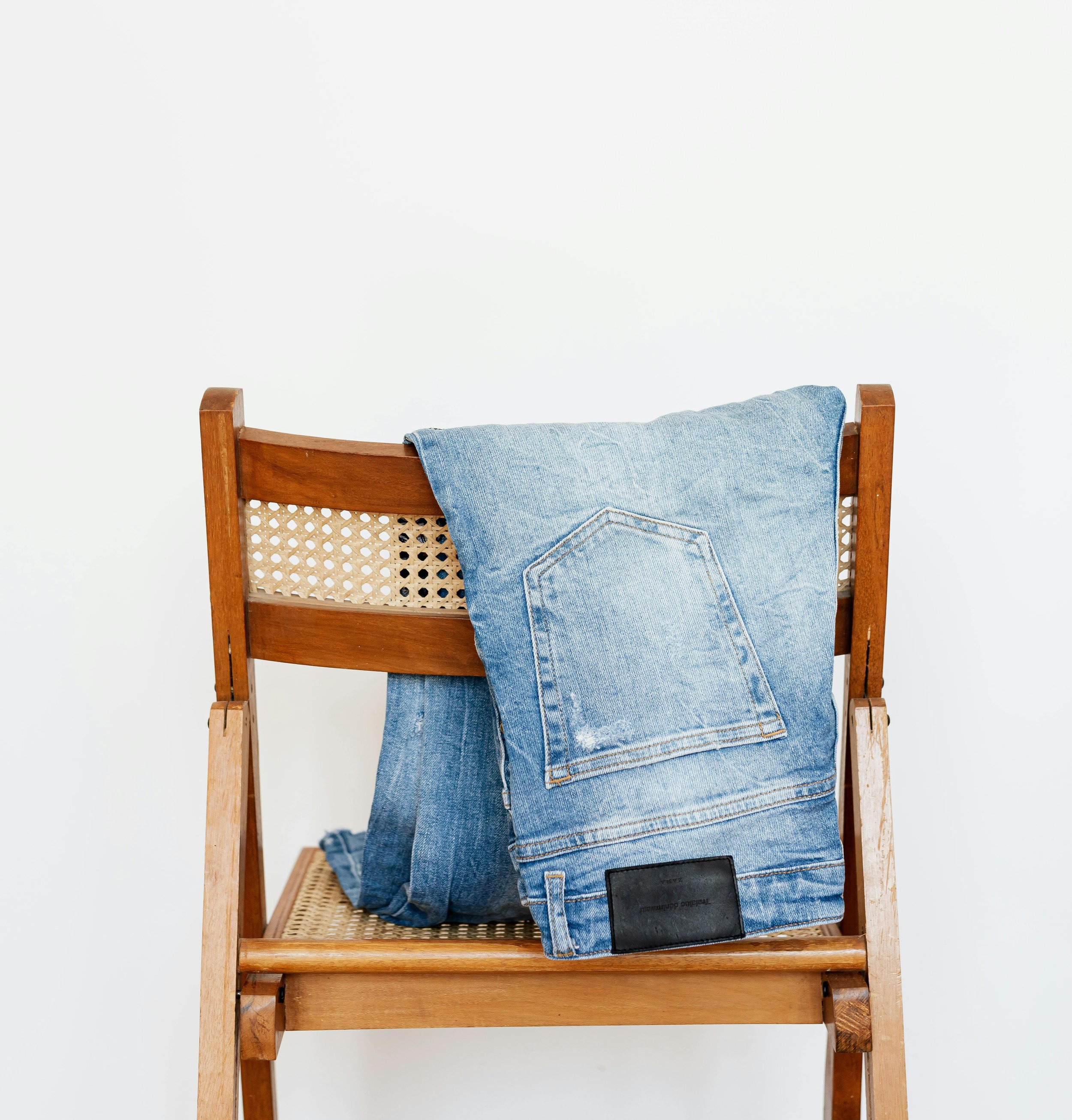
How Jeans Should Fit - Read This Before You Worry About Trends.
In order for a pair of jeans to feel comfortable, and flattering, without constantly tugging or strategic breath-holding, start with these fit checkpoints:
Waist: They should sit snugly without digging. If you can slide two fingers into the waistband comfortably, you’re in the right zone.
Waistband gap: If it fits through the hips but gapes at the back, that’s a fit issue with the cut—not your body. (Or an excuse for a quick tailor fix.)
Hips and seat: No sagging and no pulling across the back. It should hug your shape, not strain it.
Thighs: You want mobility. If the fabric pulls in horizontal lines across the thigh, size up or switch cuts.
Rise: This is the make-or-break element for comfort and proportions (more on that below).
Length: The hem changes the entire look. A great pair with the wrong length will always feel slightly off. The truth is that in order for a pair of jeans to fit well you only need to figure out the right rise and length.
The Rise Question: Low, Mid, or High?
Rise determines where jeans sit on your hips and and how they balance your proportions.
Low rise: Sits on the hips. It can look retro-sexy and hip-flattering especially if you have the defined abs to show, but it’s often less comfortable for everyday life.
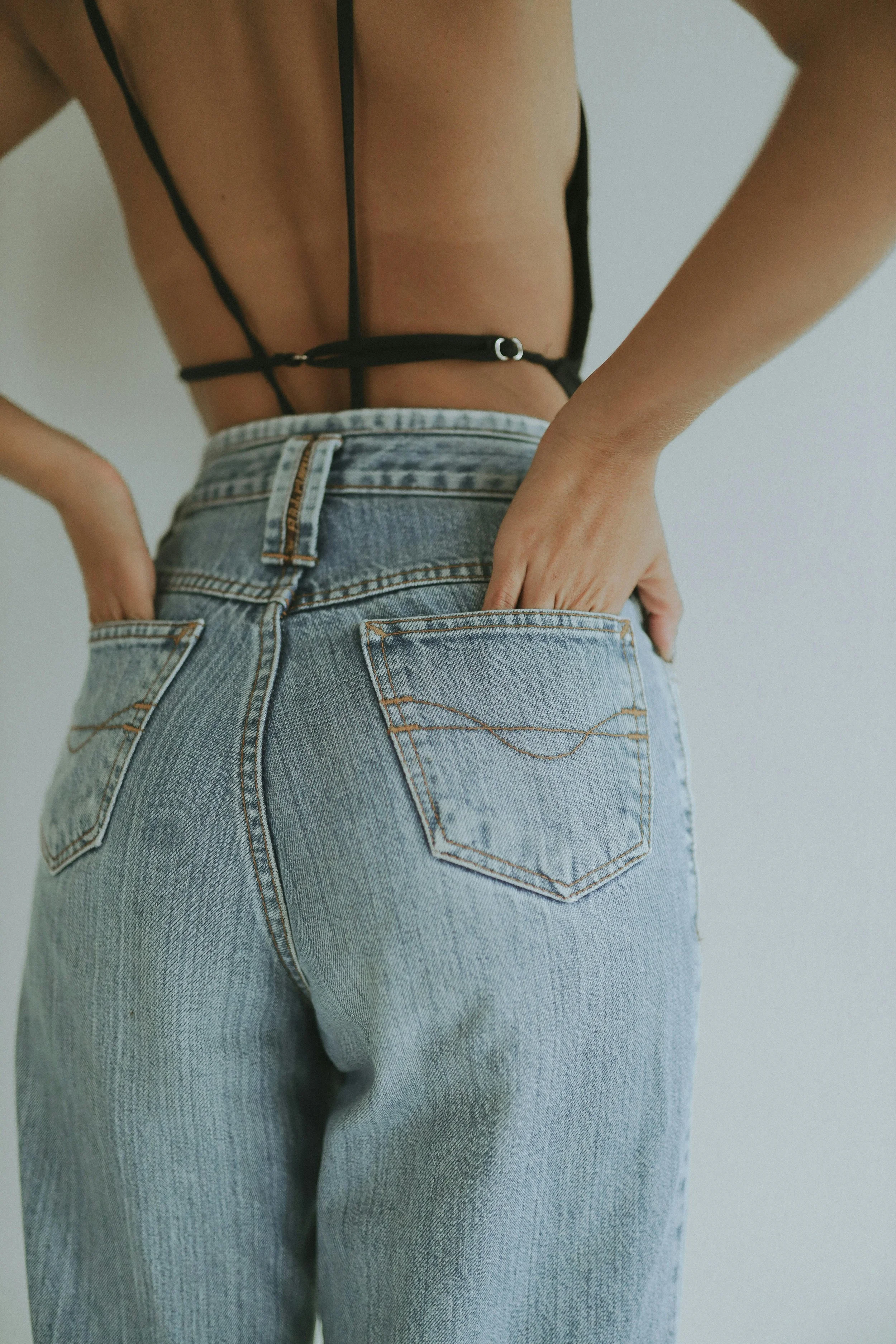
Mid rise: The easiest “default.” Comfortable, wearable, and flattering on most bodies.
High rise: Defines the waist and can create a longer leg line. Great for structure and to achieve a polished, but look for comfort at the waistband and ease when sitting. If you’re unsure, try the same cut in two rises. You’ll feel the difference instantly.
The Core Jean Cuts (And Who They Tend to Suit)
You don’t need to know every micro-trend. These are the classic cuts that keep coming back because they work.
Straight leg: Receives the universal popular appeal. Clean line, easy to style, never trendy because it’s a classic.
Slim: Not skin-tight, just narrowed through the leg. Great if you like a cleaner silhouette.

Wide leg: Whether you’re going for a polished or laid-back look, they’re surprisingly flattering when the rise and length are right.
Bootcut: An all-time favourite. Slightly flared, it balances the hips and works beautifully with boots or a heel.
Flare: More dramatic than bootcut. A strong silhouette with a retro feel that looks great with a fitted top or tailored jacket.
Tapered: High rise with room through the hip and thigh. Casual, comfortable, and great with simple styling.
Barrel: Curved leg, fashion-forward and definitely trendy - question is for how long? Works best when the rest of the outfit is clean and minimal.
Denim Fabric: Weight, Stretch, and Why It Matters
Not all denim behaves the same and and that’s where fit and comfort can change dramatically and why the same size can feel totally different. 100% cotton denim: Can feel stiff at first, but often holds shape and ages best. A little stretch (1–2% elastane), adds comfort without losing structure. Very stretchy: Often feels great in the fitting room and then “bags out” after a few wears. Denim weight matters too: lighter denim is softer and ideal for warm weather, but can lose structure. Heavier denim on the other hand, is more durable and sculpting, but more suitable for cold weather.

Denim Care: How to Make Jeans Last
Denim doesn’t need constant washing. In fact, I often hear people say that the less you wash your denim the better it looks. However, like with cashmere and all my other garments in my wardrobe, I like the fresh sensation of clean clothes on my skin. I find out that washing gives my denim that crisp new look. So, if you might find yourself wondering how to enjoy washing your jeans while still keeping them in great shape, here’s some handy tips:
Wash inside out, cold, on a gentle cycle, use mild detergent and no softeners. Air dry or tumble or dry low and brief, if you have to. An excellent hack to freshen-up delicate, high-end denim garments, is to keep them in the freezer overnight wrapped in plastic bag. This helps keep the colour from fading in the wash, especially with darker denim. It’s worth noting that while freezing can reduce odor slightly, it doesn’t truly clean. Think of it as a small trick, not a hygiene plan.The best jeans aren’t the most expensive, the most on-trend, or the ones your friend swears by. They’re the pair that fits your rise, matches your lifestyle, and makes getting dressed feel easy. If you want a simple next step: choose one cut you love, get the rise right, and hem them perfectly. Denim does the rest.